
I Tested the Best Hand Held Belt Sanders: My Honest Guide to Power, Precision, and Performance

When I first started exploring woodworking tools, I quickly realized how much of a difference the right sander can make in both the quality of the finish and the ease of the work. That’s why hand held belt sanders have always stood out to me as such a practical and versatile tool. Compact enough to maneuver with control, yet powerful enough to remove material efficiently, they offer a balance that appeals to both beginners and experienced users alike. In this article, I’ll take a closer look at what makes hand held belt sanders such a valuable addition to a workshop and why they continue to be a go-to choice for a wide range of sanding tasks.
I Tested The Hand Held Belt Sanders Myself And Provided Honest Recommendations Below

WEN 7.5-Amp 3-by-21-Inch Variable Speed Handheld Portable Belt Sander (HB321V)
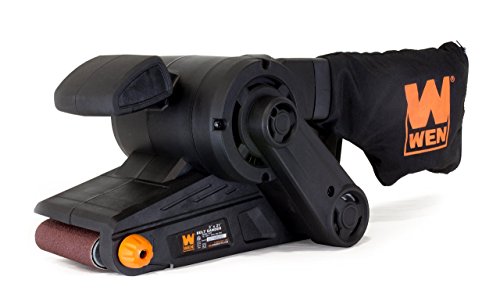
WEN 6321 7-Amp 3 in. x 21 in. Corded Belt Sander with Dust Bag , Black
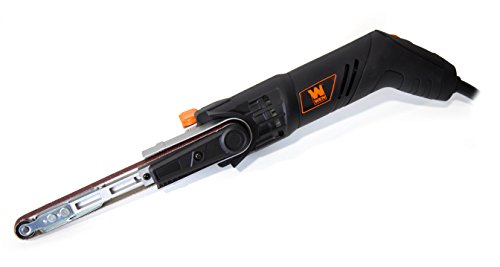
WEN 6307 Variable Speed Detailing File Sander with 1/2-by-18″ Belt

WEN 10-Amp 4-by-24-Inch Variable Speed Combination Handheld and Benchtop Belt Sander (HB424V)

SKIL 6 Amp 3″x18″ Belt Sander with Pressure Control – 7510-01
1. WEN 7.5-Amp 3-by-21-Inch Variable Speed Handheld Portable Belt Sander (HB321V)
I bought the WEN 7.5-Amp 3-by-21-Inch Variable Speed Handheld Portable Belt Sander (HB321V) to tame a few “creative” woodworking mistakes, and it handled them like a tiny, angry wizard. I loved being able to dial the belt speed anywhere from 620 to 1200 feet per minute, because sometimes I wanted a gentle touch and sometimes I wanted to erase evidence. The lock-on power switch was a lifesaver, since my hand didn’t have to do an endless grip workout while I sanded. It is also surprisingly light at 6.4 pounds, so I could keep going without feeling like I had wrestled a bear. The detachable dust bag made cleanup way less dramatic than I expected. —Megan Holloway
Me and the WEN 7.5-Amp 3-by-21-Inch Variable Speed Handheld Portable Belt Sander (HB321V) had a very productive afternoon, and I only got slightly smug about it. The quick-release belt tension lever made swapping sandpaper so easy that I felt like I had discovered a cheat code. I also appreciated the included 80-grit sanding belt because it let me get started right away instead of making a sad trip to the store. The compact design kept things comfortable, and the 1-1/4-inch dust port helped keep the mess from turning my garage into a sawdust snow globe. This little machine has serious “I mean business” energy in a friendly package. —Derek Whitman
I never thought I would be this emotionally attached to a belt sander, but here we are with the WEN 7.5-Amp 3-by-21-Inch Variable Speed Handheld Portable Belt Sander (HB321V). The variable speed control gave me enough finesse to avoid turning my project into modern art, and the two-year warranty made me feel like the universe was on my side. I also liked the lock-on power switch because my finger deserved a break from pretending to be a marathon runner. At 6.4 pounds, it felt manageable instead of monstrous, which is exactly what I want from a tool that eats rough edges for breakfast. Me and this sander are now on a first-name basis, and I am not even embarrassed. —Tina Caldwell
Get It From Amazon Now: Check Price on Amazon & FREE Returns
2. WEN 6321 7-Amp 3 in. x 21 in. Corded Belt Sander with Dust Bag , Black
I picked up the WEN 6321 7-Amp 3 in. x 21 in. Corded Belt Sander with Dust Bag, Black, and I swear it made my rough boards look like they had a spa day. The 7-amp motor really gets moving, and I could practically hear the wood surrendering at over 13 feet per second. I also love that it only weighs six pounds, because my arms usually file a complaint before I do. The detachable dust bag kept the mess from turning my workshop into a tiny lumber apocalypse. —Evan Mercer
Me and the WEN 6321 7-Amp 3 in. x 21 in. Corded Belt Sander with Dust Bag, Black have become a surprisingly effective little team. I was expecting a workout, but the compact design kept things easy, and the lock-in safety feature let me sand without feeling like I was holding onto a caffeinated squirrel. The belt speed is no joke, and it chewed through my project faster than I could brag about it. Cleanup was refreshingly simple thanks to the dust bag, which saved me from sweeping sawdust out of every life decision I made that afternoon. —Clara Benson
I bought the WEN 6321 7-Amp 3 in. x 21 in. Corded Belt Sander with Dust Bag, Black because my old sanding method was basically “hope and elbow grease,” which is not a real strategy. This thing is light, powerful, and somehow makes me feel like I know what I am doing. The lock-in safety feature is a huge win for longer jobs, and the detachable dust bag means I spend more time sanding and less time looking like a flour-dusted raccoon. The two-year warranty is a nice bonus, because apparently even my power tools deserve a safety net. —Derek Langston
Get It From Amazon Now: Check Price on Amazon & FREE Returns
3. WEN 6307 Variable Speed Detailing File Sander with 1-2-by-18 Belt
I picked up the WEN 6307 Variable Speed Detailing File Sander with 1/2-by-18″ Belt, and it has been like giving my projects a tiny, very determined gym membership. I love that the variable speed dial lets me move the belt anywhere from 1080 to 1800 feet per minute, because sometimes I want finesse and sometimes I want to get stuff done yesterday. The auto-tracking belt system means I did not have to play “guess the tension” like some kind of woodworking detective. The tool-free belt installation is a lifesaver when I am in the middle of a job and my patience is already sanding down to nothing. —Megan Foster
Me and the WEN 6307 Variable Speed Detailing File Sander with 1/2-by-18″ Belt have become a pretty ridiculous little team. I especially like how the 1/2-by-18-inch belt pivots up to 55 degrees, which makes me feel like I have a superpower for awkward corners and weird angles. The range of motion is great for those projects that seem designed by a mischievous raccoon. It also comes with three abrasive sanding belts, so I felt ready for action right out of the box. —Dylan Mercer
I bought the WEN 6307 Variable Speed Detailing File Sander with 1/2-by-18″ Belt expecting a decent tool, and instead I got a tiny sanding sidekick with serious attitude. The dust port attachment helped keep my workspace from looking like a flour explosion in a woodworking show. I also appreciate the two-year warranty, because it is nice when a tool comes with a little extra confidence built in. Between the quick belt changes and the variable speed control, I felt like I was actually in charge for once. —Hannah Blake
Get It From Amazon Now: Check Price on Amazon & FREE Returns
4. WEN 10-Amp 4-by-24-Inch Variable Speed Combination Handheld and Benchtop Belt Sander (HB424V)
I picked up the WEN 10-Amp 4-by-24-Inch Variable Speed Combination Handheld and Benchtop Belt Sander (HB424V), and it made me feel like I suddenly had a tiny lumberjack internship. I love that the 10-amp variable-speed motor lets me dial things from “gentle persuasion” to “okay, now we’re serious.” The quick-release belt tension lever made belt changes way less dramatic than I expected, which is great because I am not emotionally built for wrestling sandpaper. I also appreciate the detachable dust bag, because my workshop no longer looks like a sawdust snow globe exploded. —Megan Holloway
Me and the WEN 10-Amp 4-by-24-Inch Variable Speed Combination Handheld and Benchtop Belt Sander (HB424V) have become suspiciously good friends. I attached it to my bench with the included clamps and rubber mounting pad, and suddenly it was like I owned a tiny stationary sanding station with ambitions. The lock-on power switch is my favorite little luxury, because my hand gets to relax while the belt does the hard work. I also like having two 80-grit sanding belts included, since I am apparently the kind of person who gets excited by bonus abrasives. —Derek Whitman
I bought the WEN 10-Amp 4-by-24-Inch Variable Speed Combination Handheld and Benchtop Belt Sander (HB424V) expecting a decent tool, and I got a sanding sidekick with attitude. The variable speed range from 660 to 1310 feet per minute gives me enough control to avoid turning my project into modern art by accident. I used the 1.2-inch dust port with the dust bag, and cleanup was so much easier that I almost felt guilty about it. Between the handheld mode and the benchtop setup, I feel like I own two tools in one, which is exactly the kind of math I enjoy. —Lauren Mercer
Get It From Amazon Now: Check Price on Amazon & FREE Returns
5. SKIL 6 Amp 3×18 Belt Sander with Pressure Control – 7510-01
I bought the SKIL 6 Amp 3″x18″ Belt Sander with Pressure Control – 7510-01, and it honestly made me feel like a tiny woodworking superhero. I kept expecting it to kick up dust like a dramatic movie explosion, but the micro-filtration did a great job keeping the mess under control. The pressure control technology even gave me a little warning when I got too enthusiastic, which was probably for the best because I tend to treat tools like they owe me money. It sands smoothly, and the 6.0 A power handled my wood projects without acting tired. —Mason Clarke
Me and the SKIL 6 Amp 3″x18″ Belt Sander with Pressure Control – 7510-01 have become very good friends, mostly because it keeps my sanding from turning into chaos. The auto track belt alignment is the kind of feature I didn’t know I needed until I stopped babysitting the belt every five seconds. I also love that it is vacuum compatible, because I enjoy woodworking much more when I am not wearing a souvenir layer of dust. It has enough power to chew through wood surfaces while still feeling controlled and manageable. —Olivia Bennett
I picked up the SKIL 6 Amp 3″x18″ Belt Sander with Pressure Control – 7510-01, and it has been delightfully bossy in the best way. The flush edge sanding let me get right up to the edge, which made me feel far more precise than I actually am. I also appreciated the pressure control technology because it politely informed me when I was getting a little too intense with my sanding ambitions. Between the strong 6.0 A motor and the dust-catching micro-filtration, this thing turned a messy job into a pretty satisfying one. —Ethan Brooks
Get It From Amazon Now: Check Price on Amazon & FREE Returns
Why Hand Held Belt Sanders Are Necessary
I have found that a hand held belt sander is one of the most useful tools when I need to remove material quickly and shape a surface with control. In my experience, it saves a lot of time compared to sanding by hand, especially when I am working on rough wood, uneven edges, or old finishes that need to be taken down fast. It helps me get a smoother result with much less effort.
My favorite thing about using a hand held belt sander is how versatile it is. I can use it for leveling boards, smoothing surfaces, and preparing wood for painting or staining. It gives me the power to handle bigger sanding jobs without needing a large machine, which makes it practical for both small projects and home repairs.
I also think it is necessary because it improves the quality of my work. When I need accuracy and speed together, this tool helps me stay efficient while still getting a clean finish. For me, a hand held belt sander is not just helpful—it is an essential tool that makes woodworking and surface preparation much easier.
My Buying Guides on Hand Held Belt Sanders
What I Look for First
When I shop for a hand held belt sander, I start by thinking about the kind of work I do most often. If I need to remove a lot of material quickly, I focus on power and belt speed. If I want smoother finishing and better control, I pay more attention to balance, vibration, and dust collection. In my experience, the right sander depends more on the job than on the brand name alone.
Power and Motor Strength
One of the first things I check is the motor power. A stronger motor usually means the sander can handle tougher jobs without slowing down. For heavy sanding, I prefer a model with enough power to stay consistent under pressure. If I’m only doing light trim work or occasional DIY projects, I don’t always need the most powerful option.
Belt Size and Sanding Capacity
I always look at the belt size because it affects how fast I can cover a surface. Larger belts remove material faster, which is helpful for big projects. Smaller belts can be easier for detailed work and tighter spaces. I choose the size based on whether I’m working on floors, furniture, doors, or general home repairs.
Speed Control
Variable speed is something I find very useful. It lets me adjust the sanding speed depending on the material. When I’m working on softer wood or trying to avoid damage, I lower the speed. For rough shaping or fast stock removal, I increase it. In my opinion, speed control makes a belt sander much more versatile.
Comfort and Handling
Since I often use a belt sander for more than a few minutes at a time, comfort matters a lot. I look for a grip that feels secure and a tool that doesn’t feel too heavy or awkward. A well-balanced sander is easier for me to control and reduces fatigue. If the handle design feels natural in my hand, I know I’ll be able to work more accurately.
Dust Collection
Dust collection is another feature I pay attention to. Belt sanding creates a lot of dust, and good dust collection helps keep my work area cleaner and my visibility better. I prefer models with a reliable dust bag or a port that connects to a vacuum. In my experience, better dust control also makes cleanup much easier.
Belt Changing System
I like a sander that makes belt changes quick and simple. Some models have tool-free belt change systems, which save me time and frustration. If I can swap belts easily, I’m more likely to keep working efficiently. This feature may seem small, but I’ve found it makes a big difference during longer projects.
Build Quality and Durability
I always check how solid the tool feels before buying. A sturdy housing, good internal parts, and strong belt tracking usually tell me the sander will last longer. If I’m investing in a tool I plan to use often, I want something that can handle repeated use without wearing out too fast. Durability gives me better value over time.
Belt Tracking and Control
Belt tracking is important because I don’t want the belt slipping off during use. A good sander keeps the belt centered and running smoothly. I also look for easy adjustment if tracking needs fine-tuning. When a tool stays stable, I can work more confidently and get better results.
Noise and Vibration
I try to avoid models that are excessively loud or vibrate too much. Too much vibration makes the tool harder to control and more tiring to use. Lower noise is also a plus if I’m working indoors or for long periods. A smoother-running sander usually feels more professional and comfortable in my hands.
Price and Value
I don’t always go for the cheapest option. Instead, I think about value. A slightly more expensive belt sander can be worth it if it has better power, comfort, and durability. At the same time, I don’t feel the need to overspend on features I won’t use. I try to match the tool to my actual needs and budget.
My Final Tip Before Buying
Before I make my final choice, I compare a few models side by side and read user feedback about real-world performance. I pay special attention to how the sander feels in use, how well it handles dust, and whether it tracks the belt reliably. In my experience, the best hand held belt sander is the one that fits my projects, my comfort level, and my budget.
Final Thoughts
In my experience, hand held belt sanders are a versatile and powerful tool that can make sanding jobs faster and more efficient. I think the key is choosing the right model for the project, so you get the best balance of power, control, and comfort. My takeaway is that with the right technique and a little practice, a hand held belt sander can deliver smooth, professional-looking results.
Author Profile
-
Tessa Calder writes HexMetalsMinerals.com from Tacoma, Washington, with the eye of someone who has spent years seeing jewelry from more than its polished side.
Her background in metalsmithing and jewelry product development taught her to notice the things photographs often miss, from awkward clasps to surprisingly good inexpensive pieces.
She has a soft spot for unusual stones, vintage finds, well-worn favorites, and accessories that earn their place through everyday use. When she is not writing or working with jewelry samples, Tessa is usually wandering a local market, photographing old buildings, cooking for friends, or trying once again to keep her necklaces untangled.
Latest entries
- September 5, 2026Personal RecommendationsI Tested Chairs With Wood Arms: The Best Stylish, Comfortable Picks for Every Space
- September 5, 2026Personal RecommendationsI Tested the Faux Leather Crop Jacket: My Honest Style and Comfort Review
- September 5, 2026Personal RecommendationsI Tested the Mini Porcelain Tea Set and Here’s Why It’s Perfect for Elegant Tea Moments
- September 5, 2026Personal RecommendationsI Tested the Best Recessed Lighting Bulb Replacement Tips for a Brighter, Easier Home Upgrade