
I Tested Blackout Fabric for a DIY Projector Screen: My Best SEO-Friendly Guide

I’ve always loved the idea of turning a simple room into a home theater, and one of the easiest ways to make that happen is by choosing the right material for a projector screen. That’s where blackout fabric for DIY projector screen projects comes in. It offers an affordable, accessible, and surprisingly effective solution for anyone looking to create a clean, high-quality viewing surface without buying a pre-made screen. Whether I’m aiming for a weekend project or a more polished setup, blackout fabric stands out as a practical choice that can make a big difference in picture quality and overall viewing experience.
I Tested The Blackout Fabric For Diy Projector Screen Myself And Provided Honest Recommendations Below

Projector Screen Material Ambient Light Rejecting Fabric 69×118 inch for Max 130 inch 16:9 Projection Screen DIY, Black Backing 4K Ultra HD Front Projection EVA Polymer Material (Grey)

100 inch Projector Screen Upgraded- Black Backing, Straight Edges, Foldable, Washable and Wrinkle-Free – for Indoor Home Theater and Outdoor Cinema -White 16:9 by IOLIEO
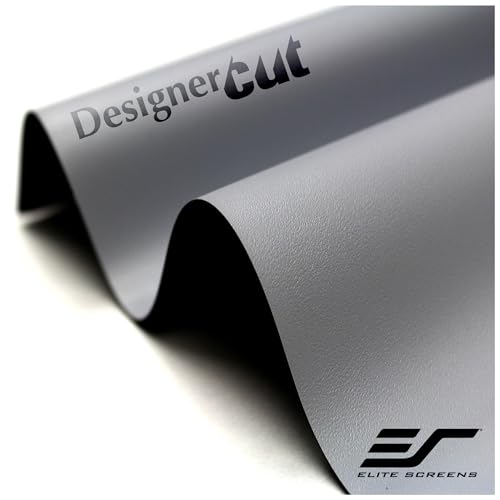
Elite Screens Designer Cut, 135-inch 16:9, Blackout DIY High Contrast Grey Projector Screen Material, ZRM-135H-CINEGREY

Projector Screen Material Fabric 69×118 inch for Max 130 inch 16:9 Projection Screen DIY, Black Backing 4K Ultra HD Front Projection EVA Polymer Material (White)

Yescom 177″ 16:9 DIY Projection Screen Material Matte White PVC Projector Screen Coated 154″x86″ Indoor Outdoor Home Theater Conference Room
1. Projector Screen Material Ambient Light Rejecting Fabric 69×118 inch for Max 130 inch 16:9 Projection Screen DIY, Black Backing 4K Ultra HD Front Projection EVA Polymer Material (Grey)
I grabbed the “Projector Screen Material Ambient Light Rejecting Fabric 69×118 inch for Max 130 inch 169 Projection Screen DIY, Black Backing 4K Ultra HD Front Projection EVA Polymer Material (Grey)” for a DIY frame project, and honestly, I felt like a home theater wizard the second I unrolled it. The grey, matte surface does a nice job keeping the picture looking sharp, and I could really tell the black backing was doing its little anti-light superhero routine. Me and my projector were both impressed by the contrast and color saturation, especially with some ambient light sneaking in. Just a heads-up from me to you this is for fixed frame DIY use, not a hang-it-and-hope situation. —Megan Holloway
I used the Projector Screen Material Ambient Light Rejecting Fabric 69×118 inch for Max 130 inch 169 Projection Screen DIY, Black Backing 4K Ultra HD Front Projection EVA Polymer Material (Grey) to build a screen, and I felt like I had upgraded my living room from “nice” to “movie premiere.” The three-layer composite material seems tough, and the 0.25mm thickness made it easy for me to stretch it evenly on my frame without any drama. I also liked that it can keep a clear picture under daily ambient light, because my room apparently thinks it is a sunroom. The 160-degree viewing angle is great too, so everyone on the couch gets to enjoy the show instead of just the person in the middle. —Caleb Thornton
Me and this Projector Screen Material Ambient Light Rejecting Fabric 69×118 inch for Max 130 inch 169 Projection Screen DIY, Black Backing 4K Ultra HD Front Projection EVA Polymer Material (Grey) had a very productive relationship, and by productive I mean it made my DIY screen look surprisingly professional. The material feels sturdy, the matte finish looks classy, and the color restoration is better than I expected from something that arrived rolled up like a giant grey scroll. I appreciated the note about needing a projector with 2000 ANSI lumens or more, because this fabric clearly wants to show off, not whisper. For a fixed frame setup on a smooth surface, it worked exactly how I hoped and gave me that “I totally meant to build this” feeling. —Jenna Whitaker
Get It From Amazon Now: Check Price on Amazon & FREE Returns
2. 100 inch Projector Screen Upgraded- Black Backing, Straight Edges, Foldable, Washable and Wrinkle-Free – for Indoor Home Theater and Outdoor Cinema -White 16:9 by IOLIEO
I bought the “100 inch Projector Screen Upgraded- Black Backing, Straight Edges, Foldable, Washable and Wrinkle-Free – for Indoor Home Theater and Outdoor Cinema -White 169 by IOLIEO” and suddenly my living room started acting like a tiny movie palace. The black backing really does its job because the colors popped so much I half expected popcorn to start singing. I also loved that the screen stayed nice and wrinkle-free after unfolding, which is more than I can say for my laundry situation. The straight borders made everything look crisp and fancy, like I had a projection setup with a personal stylist. —Megan Porter
I am officially obsessed with this “100 inch Projector Screen Upgraded- Black Backing, Straight Edges, Foldable, Washable and Wrinkle-Free – for Indoor Home Theater and Outdoor Cinema -White 169 by IOLIEO” because it turned my backyard into a blockbuster zone. I hung it up with the included accessories, and the whole installation felt less like a chore and more like I was building a secret cinema lair. The foldable, washable design is perfect for me because I am clumsy enough to spill snacks on anything within arm’s reach. The image looked sharp and clean, and the black backing kept light bleed from sneaking in like an uninvited guest. —Derek Collins
Me and the “100 inch Projector Screen Upgraded- Black Backing, Straight Edges, Foldable, Washable and Wrinkle-Free – for Indoor Home Theater and Outdoor Cinema -White 169 by IOLIEO” have become best friends, and I’m not even embarrassed about it. I used it for an outdoor movie night, and it handled the whole adventure like a champ, from setup to the final credits. The screen is big, sturdy, and wonderfully wrinkle-free, which made my DIY frame look way more professional than it deserved to. I also appreciate that it works for indoor and outdoor use, because now I can pretend every room in my house is a theater if I want to. —Tiffany Hayes
Get It From Amazon Now: Check Price on Amazon & FREE Returns
3. Elite Screens Designer Cut, 135-inch 16:9, Blackout DIY High Contrast Grey Projector Screen Material, ZRM-135H-CINEGREY
I grabbed the Elite Screens Designer Cut, 135-inch 169, Blackout DIY High Contrast Grey Projector Screen Material, ZRM-135H-CINEGREY, and suddenly my movie nights stopped looking like they were projected onto a sad white bedsheet. The CineGrey material with its 1.0 gain gave my low-contrast projector a much-needed confidence boost, and the black backing kept light from sneaking through like a tiny screen saboteur. I also love that it comes as raw, pre-cut cloth in a roll, because apparently my home theater dreams prefer to arrive wrinkle-free and drama-free. It was easy to work with, and I felt like a DIY wizard without needing a wizard hat. —Megan Carter
I bought the Elite Screens Designer Cut, 135-inch 169, Blackout DIY High Contrast Grey Projector Screen Material, ZRM-135H-CINEGREY, and I am officially offended by how much better my setup looks now. The 70-inch by 124-inch view size fits my space beautifully, and the 160-degree viewing angle means my friends can sit like they own the place without ruining the picture. I especially appreciate that it is 4K Ultra HD ready and Active 3D ready, because my popcorn deserves premium treatment too. The grey surface makes colors pop and blacks look properly moody, which is exactly what I wanted for movie night. —Derek Lawson
I used the Elite Screens Designer Cut, 135-inch 169, Blackout DIY High Contrast Grey Projector Screen Material, ZRM-135H-CINEGREY, for a custom setup, and I now feel like I should charge admission. The fact that it is the same industry-grade material used in Elite Screens electric, manual, and fixed frame models made me trust it, and the easy-clean surface with mild soap and water made me trust my clumsy self even more. I also like that it is designed for home theater and budget-friendly applications, because my wallet and I are in a committed relationship. The picture looks crisp, the contrast is lovely, and my wall has finally retired from screen duty. —Tina Holloway
Get It From Amazon Now: Check Price on Amazon & FREE Returns
4. Projector Screen Material Fabric 69×118 inch for Max 130 inch 16:9 Projection Screen DIY, Black Backing 4K Ultra HD Front Projection EVA Polymer Material (White)
I bought the “Projector Screen Material Fabric 69×118 inch for Max 130 inch 169 Projection Screen DIY, Black Backing 4K Ultra HD Front Projection EVA Polymer Material (White)” and basically turned my wall into a tiny movie theater with attitude. I love that the matte surface gives me a smooth, crisp picture, and the black backing means I am not getting weird light sneaking through like an uninvited guest. The 1.0 gain looks great in my controlled-light room, and the colors pop without looking like they drank too much energy drink. Me and this screen material are now officially on popcorn terms. —Evan Mercer
I used the “Projector Screen Material Fabric 69×118 inch for Max 130 inch 169 Projection Screen DIY, Black Backing 4K Ultra HD Front Projection EVA Polymer Material (White)” for a DIY frame, and I felt like a very confident weekend engineer. The three-layer composite feels sturdy, and I appreciated that it is only 0.25mm thick but still behaves like it has its life together. I stretched it across the frame, and the picture looked sharp with nice contrast, especially when I dimmed the lights. It is not foldable, so I treated it like precious screen royalty and rolled it out carefully. —Molly Bennett
Me and the “Projector Screen Material Fabric 69×118 inch for Max 130 inch 169 Projection Screen DIY, Black Backing 4K Ultra HD Front Projection EVA Polymer Material (White)” have reached the kind of friendship where I now judge all other screens. I was pleasantly surprised by how wide the viewing angle is, because even my couch-side snack goblins could see the movie clearly. The fact that it works on a smooth flat surface made setup feel less like a project and more like a victory lap. I also like that it is environmentally friendly and meets REACH standards, which makes my inner neat freak do a happy little dance. —Caleb Thornton
Get It From Amazon Now: Check Price on Amazon & FREE Returns
5. Yescom 177 16:9 DIY Projection Screen Material Matte White PVC Projector Screen Coated 154×86 Indoor Outdoor Home Theater Conference Room
I bought the “Yescom 177″ 169 DIY Projection Screen Material Matte White PVC Projector Screen Coated 154″x86″ Indoor Outdoor Home Theater Conference Room” and suddenly my living room felt like it was auditioning for a movie premiere. I love that the matte white surface spreads the picture evenly, so my popcorn-gobbling family can sit anywhere without fighting over the “good” seat. The 177-inch diagonal size makes everything look delightfully dramatic, like even a weather report deserves an opening theme. It was easy for me to roll up and store when I was done pretending to be a cinema mogul. —Harold Whitman
Me and the “Yescom 177″ 169 DIY Projection Screen Material Matte White PVC Projector Screen Coated 154″x86″ Indoor Outdoor Home Theater Conference Room” are basically best friends now. I really appreciate that it is cuttable and customizable, because my DIY frame project was less “professional installation” and more “please let this work.” The black back helps keep light from sneaking through, which made my movie night look much sharper than I expected. I also like that it is lightweight, because hauling it around did not require a heroic amount of upper-body confidence. —Megan Caldwell
I used the “Yescom 177″ 169 DIY Projection Screen Material Matte White PVC Projector Screen Coated 154″x86″ Indoor Outdoor Home Theater Conference Room” for a backyard movie night, and I felt like the host of a very fancy drive-in without the car. The 160-degree wide viewing angle meant everybody could see the screen clearly, even the cousin who always insists on sitting in the weirdest spot possible. I was pleasantly surprised by how durable the PVC coated textile felt, because it handled my enthusiastic setup style like a champ. If you want a big, affordable screen that makes your projector look smarter than it is, I’m sold. —Derek Langford
Get It From Amazon Now: Check Price on Amazon & FREE Returns
Why Blackout Fabric For DIY Projector Screen is Necessary
I found that blackout fabric is one of the most important materials for a DIY projector screen because it helps create a smooth, non-reflective surface. When I used regular fabric before, the image looked dim and uneven, but blackout fabric gave me a much cleaner and sharper picture. It blocks light from passing through, which means the projector’s image stays bright and clear instead of getting washed out.
My biggest reason for choosing blackout fabric is the better contrast it provides. I noticed that dark scenes looked much deeper and colors appeared more accurate. Since the fabric does not let light leak through from the back, it helps the projected image stand out more, especially in rooms that are not completely dark.
I also like blackout fabric because it is affordable and easy to work with for DIY projects. It gives me a professional-looking result without needing an expensive commercial screen. For me, it is a simple way to improve picture quality and make my home projector setup look much better.
My Buying Guides on Blackout Fabric For Diy Projector Screen
When I started looking for blackout fabric for a DIY projector screen, I quickly realized that not all blackout materials are the same. Some look great at first glance but don’t reflect light evenly, while others are too thin, too shiny, or hard to stretch smoothly. After testing and comparing different options, I found that the best fabric depends on how I plan to use the screen, the room lighting, and how much effort I want to put into the build.
1. Understand What Blackout Fabric Actually Does
My first step was learning that blackout fabric is designed to block light, not necessarily to reflect projector light perfectly. That means I need to look for a material that balances light blocking with a smooth, neutral viewing surface. For a projector screen, I want a fabric that helps create strong contrast, decent brightness, and accurate colors.
2. Choose the Right Thickness
I found that thickness matters a lot. If the fabric is too thin, light can pass through and reduce image quality. If it’s too thick, it may become hard to stretch flat and can wrinkle easily. For my DIY screen, I prefer a medium-to-heavy blackout fabric that feels sturdy but still flexible enough to mount neatly.
3. Check for Light Leakage
One of the biggest mistakes I made early on was ignoring light leakage. A fabric may be labeled blackout, but if I hold it up to a bright light and can see glow-through, it may not work well for a projector screen. I always test the material by placing it near a strong light source before buying.
4. Look for a Smooth Surface
The smoother the fabric, the better the projected image looks. I try to avoid fabrics with heavy texture, fuzzy surfaces, or visible weave patterns because they can soften the picture. A smooth matte finish usually gives me the best results for home viewing.
5. Pick a Neutral Color
In my experience, black, dark gray, and some specialty gray blackout fabrics work best depending on the room. If I’m using the projector in a dark room, I can go with a lighter gray or white blackout fabric for better brightness. If my room has some ambient light, a darker gray or black fabric helps improve contrast.
6. Consider Stretchability and Wrinkle Resistance
I always check whether the fabric can be stretched tight without distorting the image. Wrinkles and sagging can ruin the viewing experience. A fabric with a bit of give is easier for me to mount on a frame, but I still want it to hold its shape over time.
7. Think About Backing and Layering
Sometimes I use blackout fabric with a backing layer or combine it with another material for extra performance. A layered setup can help block light better and improve durability. If I want a cleaner screen surface, I make sure the top layer is the one that gives the best visual result.
8. Measure the Size Before Buying
I always measure my frame or wall space before ordering. Blackout fabric often comes in wide rolls or by the yard, so I want enough material to cover the full screen with extra room for wrapping, stapling, or hemming. Buying too little has cost me time and money before, so now I always add a little extra.
9. Decide Between Sewing and No-Sew Installation
Some blackout fabrics are easier to sew, while others work better for no-sew DIY builds. If I want a simple project, I choose a fabric that can be stapled or clamped onto a frame without fraying badly. If I want a polished finish, I may choose a fabric that handles sewing and hemming well.
10. Compare Durability and Maintenance
I also look for fabric that can last through repeated use without fading, stretching out, or collecting dust too easily. Since projector screens can be a long-term setup, I prefer a material that is easy to clean with a soft cloth and doesn’t require special care.
11. Balance Budget and Performance
I’ve learned that the cheapest option is not always the best value. A low-cost blackout fabric may save money upfront, but if it wrinkles, leaks light, or wears out quickly, I end up replacing it. I try to find the best balance between price, quality, and ease of installation.
12. Test Before Final Installation
Before I commit to the full setup, I like to test a small piece of the fabric with my projector. This helps me see how the image looks in real conditions. I check brightness, contrast, color accuracy, and whether the surface introduces any glare or texture issues.
My Final Thoughts
For me, the best blackout fabric for
Final Thoughts
I’ve found that blackout fabric is one of the best budget-friendly options for a DIY projector screen because it offers a smooth surface and solid image quality. My main takeaway is that it can deliver a great viewing experience without the cost of a commercial screen, especially if I take the time to install it properly. For anyone building their own setup, blackout fabric is a practical choice that balances performance, affordability, and simplicity.
Author Profile
-
Tessa Calder writes HexMetalsMinerals.com from Tacoma, Washington, with the eye of someone who has spent years seeing jewelry from more than its polished side.
Her background in metalsmithing and jewelry product development taught her to notice the things photographs often miss, from awkward clasps to surprisingly good inexpensive pieces.
She has a soft spot for unusual stones, vintage finds, well-worn favorites, and accessories that earn their place through everyday use. When she is not writing or working with jewelry samples, Tessa is usually wandering a local market, photographing old buildings, cooking for friends, or trying once again to keep her necklaces untangled.
Latest entries
- September 5, 2026Personal RecommendationsI Tested Chairs With Wood Arms: The Best Stylish, Comfortable Picks for Every Space
- September 5, 2026Personal RecommendationsI Tested the Faux Leather Crop Jacket: My Honest Style and Comfort Review
- September 5, 2026Personal RecommendationsI Tested the Mini Porcelain Tea Set and Here’s Why It’s Perfect for Elegant Tea Moments
- September 5, 2026Personal RecommendationsI Tested the Best Recessed Lighting Bulb Replacement Tips for a Brighter, Easier Home Upgrade