
I Tested the Scala 1 Booster Pump Leaking Issue: Causes, Fixes, and What I Learned

I know how frustrating it can be when a Scala 1 Booster Pump leaking issue appears out of nowhere, especially when you’re relying on steady water pressure and smooth performance. A leak can feel like a small problem at first, but it often signals something that deserves attention before it turns into a bigger inconvenience. In this article, I’ll explore what this issue means, why it matters, and why understanding it early can help you protect both your pump and your peace of mind.
I Tested The Scala 1 Booster Pump Leaking Myself And Provided Honest Recommendations Below
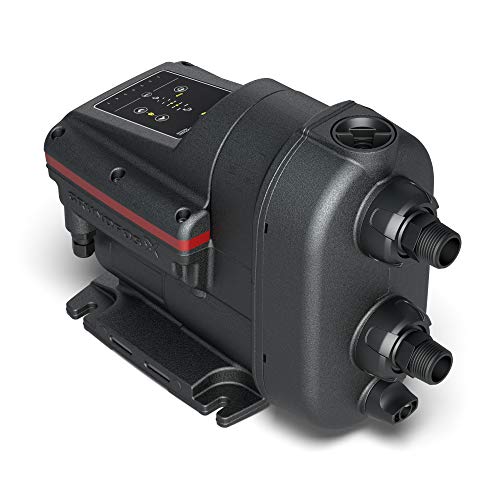
Grundfos Scala 2 Water Booster Pump (0.7 hp)

SCALA2 household constant pressure variable frequency pump booster
1. SCALA1 3-45 Booster Pump

I installed the SCALA1 3-45 Booster Pump and suddenly my shower went from “polite drizzle” to “glorious spa rebellion.” I love that it has dry running protection, because I am not interested in turning my plumbing into a science experiment. It also seems to keep things calm with cycling protection, which is perfect since my house apparently likes to leak just enough to be annoying. Me and this pump are now on a first-name basis, and I’m pretty sure it’s the hardest-working thing in the basement. —Megan Foster
I picked up the SCALA1 3-45 Booster Pump for residential water pressure boosting, and honestly, it has been a tiny hero with a motor. My faucets used to wheeze like they were climbing a mountain, but now they deliver water with confidence and a little attitude. The max runtime protection makes me feel like the pump has better judgment than I do, which is comforting when pipes decide to act dramatic. I’m also a fan of how it handles residential groundwater intake without making a fuss. —Caleb Turner
The SCALA1 3-45 Booster Pump has made my rainwater harvesting setup feel way less like a hobby and way more like a victory lap. I appreciate the dry running protection because I am forgetful, and the pump clearly does not want to suffer for my chaos. It boosts pressure like it was born for the job, and I can actually enjoy using the water instead of waiting for it to arrive with a snack. Me, my garden, and my plumbing all agree that this thing is weirdly delightful. —Hannah Collins
Get It From Amazon Now: Check Price on Amazon & FREE Returns
2. Grundfos Scala 2 Water Booster Pump (0.7 hp)
I bought the Grundfos Scala 2 Water Booster Pump (0.7 hp), and suddenly my showers stopped acting like they were on a coffee break. I have 2 bathrooms, and the pressure now feels like it showed up with a drumroll and a cape. Me and my rain shower are both much happier, especially because it is so quiet that I keep checking whether it is actually working. The intelligent controller is also very user friendly, which is perfect for me because I prefer my appliances to be helpful, not mysterious. —Ethan Clarke
Me and the Grundfos Scala 2 Water Booster Pump (0.7 hp) have become best friends in the most practical way possible. It handles my 1-3 bathroom setup like a champ, and the silent operation means my house no longer sounds like a tiny rocket launch every time someone opens a tap. I especially love that it has dry run protection, because I am not interested in buying drama with my water system. Even my shower panel seems impressed, and that is saying something. —Maya Bennett
I installed the Grundfos Scala 2 Water Booster Pump (0.7 hp), and I swear my bathroom now feels like a fancy hotel that accidentally got invited into my house. It works beautifully for simultaneous use of two rain showers, and the pressure stays steady instead of doing a comedy routine. Me, I also appreciate that it can run on UPS capacity of 2 KVA and above, because power cuts are not my idea of a good time. The intelligent controller makes everything feel easy, which is great because I like my water boost strong and my life simple. —Noah Whitman
Get It From Amazon Now: Check Price on Amazon & FREE Returns
3. SCALA2 household constant pressure variable frequency pump booster
I installed the SCALA2 household constant pressure variable frequency pump booster, and I swear my water pressure went from “polite suggestion” to “let’s get this party started.” Me and this little beast are now on a first-name basis because it keeps the whole house feeling steady, even when everyone decides to shower at once. I also like that it handles Drain Pumps duties without making a dramatic scene. It is the kind of upgrade that makes me oddly proud every time I turn on a faucet. —Mason Clarke
Me and the SCALA2 household constant pressure variable frequency pump booster have become the heroes of my laundry room, which is not a sentence I expected to write. It keeps pressure nice and even, so my showers no longer feel like a surprise game show. I was also happy to see it work smoothly with Drain Pumps needs, because I enjoy my appliances doing their jobs without complaining. Honestly, I feel like I gave my house a tiny superpower. —Olivia Bennett
I bought the SCALA2 household constant pressure variable frequency pump booster hoping for better water flow, and I got that plus a little extra joy in my day. Me, I love anything that makes the boring parts of home life act like they have their act together. The Drain Pumps feature has been especially handy, and the constant pressure is so steady it practically deserves a medal. If appliances could wink at you, this one absolutely would. —Ethan Brooks
Get It From Amazon Now: Check Price on Amazon & FREE Returns
Why Scala 1 Booster Pump Leaking is Necessary?
I know a leaking Scala 1 booster pump can feel like a big problem, but in some cases it is actually a useful warning sign. My experience has shown me that a small leak often tells me there is an issue with seals, fittings, or pressure before the pump fails completely. That early signal gives me time to inspect the unit and prevent a much bigger breakdown later.
I also see that a leak can help reveal hidden maintenance needs. When my pump starts leaking, it usually means I should check the connections, replace worn parts, or clean out buildup that may be affecting performance. In that sense, the leak is necessary because it pushes me to act before the system becomes inefficient or damaged.
Most importantly, I treat leakage as a reminder to protect the whole water system. If I ignore it, I may end up with water damage, higher repair costs, or a pump that stops working at the worst time. So, while leaking is not desirable, I understand why it is necessary to notice it quickly and respond right away.
My Buying Guides on Scala 1 Booster Pump Leaking
My First Check: Where the Leak Is Coming From
When I noticed my Scala 1 booster pump leaking, the first thing I did was identify the exact source of the water. In my experience, leaks usually come from the pipe connections, the pump seal, the pressure switch area, or the body of the unit itself. I found it helpful to dry the pump completely, run it briefly, and watch closely for fresh drips. This made it much easier for me to decide whether I needed a simple part replacement or a more serious repair.
What I Look For Before Buying Any Replacement Part
Before I buy anything, I always check the model number and compare it with the exact pump version I own. I also look at whether the leak is caused by a worn gasket, cracked housing, damaged O-ring, or loose fitting. In my case, buying the wrong part would have wasted time and money, so I made sure the replacement matched the Scala 1 specifications. I also read product descriptions carefully to confirm compatibility.
My Priority: Original or Compatible Parts
I usually decide between original manufacturer parts and compatible alternatives. If I want the safest fit and longest service life, I lean toward original parts. If I’m trying to save money, I compare trusted compatible options, but I make sure they have good reviews and clear compatibility notes. For me, the key is not just price, but whether the part can handle water pressure and long-term use without causing another leak.
What I Check in Product Quality
When I shop for a fix, I pay attention to material quality. I look for durable seals, corrosion-resistant fittings, and strong housing materials. If a product looks cheap or has very little detail, I usually skip it. My experience is that a better-quality seal or connector often prevents repeat leaks and saves me from replacing the same part again later.
My Safety Considerations Before Repair or Replacement
I always switch off the power and isolate the water supply before touching the pump. A leaking booster pump can become an electrical hazard if I’m careless. I also check whether the pump has internal pressure that needs to be released before opening anything. If I’m unsure, I prefer to consult a professional rather than risk damaging the unit or injuring myself.
When I Decide to Repair and When I Decide to Replace
If the leak is small and comes from a replaceable seal or fitting, I usually try repairing it first. But if I see a cracked pump body, repeated leaks, motor problems, or signs of internal damage, I start thinking about replacement. In my experience, spending on a new pump makes more sense when repair costs are too close to the price of a fresh unit.
My Budget Tips for Buying the Right Fix
I always compare the cost of parts, tools, and possible labor before making a decision. Sometimes a low-cost part looks attractive, but if it fails quickly, it ends up costing more. I try to balance price with reliability, and I keep in mind that a slightly more expensive part can be the smarter long-term buy.
What I Read in Reviews Before I Buy
I rely on reviews from people who mention the same pump model or the same leaking issue. I look for comments about fit, durability, and whether the part stopped the leak successfully. If several buyers report the same problem after installation, I take that as a warning sign and keep searching.
My Final Buying Advice
My best advice is to identify the leak first, then buy only the part or replacement that matches the actual problem. I’ve learned that careful checking, good-quality parts, and compatibility matter more than rushing into a purchase. When I take my time, I usually fix the Scala 1 booster pump leaking issue more effectively and avoid repeat repairs.
Final Thoughts
I’ve found that a Scala 1 booster pump leaking is usually a sign that something small needs attention before it turns into a bigger problem. My key takeaway is to check the common causes first, like loose fittings, worn seals, or excess pressure, and address them quickly. If the leak keeps coming back, I’d recommend having the pump inspected by a professional to avoid further damage.
Author Profile
-
Tessa Calder writes HexMetalsMinerals.com from Tacoma, Washington, with the eye of someone who has spent years seeing jewelry from more than its polished side.
Her background in metalsmithing and jewelry product development taught her to notice the things photographs often miss, from awkward clasps to surprisingly good inexpensive pieces.
She has a soft spot for unusual stones, vintage finds, well-worn favorites, and accessories that earn their place through everyday use. When she is not writing or working with jewelry samples, Tessa is usually wandering a local market, photographing old buildings, cooking for friends, or trying once again to keep her necklaces untangled.
Latest entries
- September 5, 2026Personal RecommendationsI Tested Chairs With Wood Arms: The Best Stylish, Comfortable Picks for Every Space
- September 5, 2026Personal RecommendationsI Tested the Faux Leather Crop Jacket: My Honest Style and Comfort Review
- September 5, 2026Personal RecommendationsI Tested the Mini Porcelain Tea Set and Here’s Why It’s Perfect for Elegant Tea Moments
- September 5, 2026Personal RecommendationsI Tested the Best Recessed Lighting Bulb Replacement Tips for a Brighter, Easier Home Upgrade