
I Tested Brake for Bending Metal: My Honest Guide to Perfect Precision Bends

When I first came across the idea of a Brake For Bending Metal, I was struck by how something so straightforward in name could play such a crucial role in shaping metal with precision and consistency. Whether I’m thinking about fabrication, workshop projects, or industrial applications, this tool immediately stands out as one of those essentials that quietly makes complex work possible. In this article, I’ll explore what makes a brake for bending metal such an important part of the process and why it continues to be valued across different kinds of metalworking.
I Tested The Brake For Bending Metal Myself And Provided Honest Recommendations Below

VEVOR Box and Pan Brake, 48-Inch, 0-130 Degrees Sheet Metal Bending Brake, Portable Mini Metal Bender with 20 Gauge Low Carbon Steel 14 Gauge Aluminum Capacity Power Handle, for Metal Bending

VEVOR Box and Pan Brake, 36-Inch, 0-130 Degrees Sheet Metal Bending Brake, Portable Mini Metal Bender with 20 Gauge Low Carbon Steel 14 Gauge Aluminum Capacity Power Handle, for Metal Bending

Sheet Metal Brake, 18-Inch Sheet Metal Bender, 18-Gauge Mild Steel Capacity, Portable Bending Brake 0-90 Degree Bending Angle Adjustable Aluminum Brake
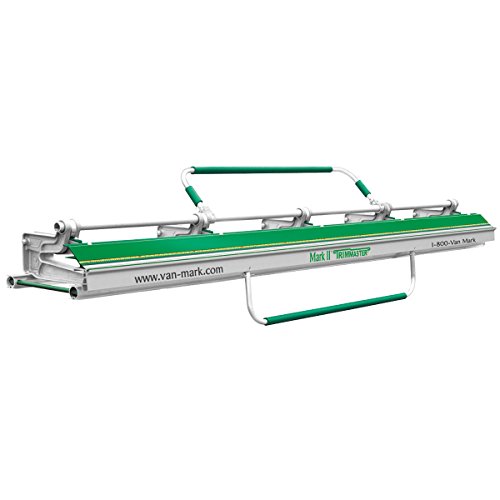
Van Mark Bending Brake Mark II W/Power Lock #TM10

VEVOR Box and Pan Brake, 24in, Portable Metal Bender with 0-135° Bending Angle, Capable of Handling 20 Gauge Low Carbon Steel & 14 Gauge Aluminum, with 5 Adjustable Fingers for Sheet Metal Bending
1. VEVOR Box and Pan Brake, 48-Inch, 0-130 Degrees Sheet Metal Bending Brake, Portable Mini Metal Bender with 20 Gauge Low Carbon Steel 14 Gauge Aluminum Capacity Power Handle, for Metal Bending
I bought the VEVOR Box and Pan Brake, 48-Inch, 0-130 Degrees Sheet Metal Bending Brake, Portable Mini Metal Bender with 20 Gauge Low Carbon Steel 14 Gauge Aluminum Capacity Power Handle, for Metal Bending, and I immediately felt like the king of tidy angles. Me and this thing got along fast because the integrated press plate design actually makes me feel like I know what I’m doing, which is rare and slightly suspicious. I bent a few pieces of 14-gauge aluminum, and the result was cleaner than my last attempt at folding a fitted sheet. The 0-135° flexible bending range gave me plenty of room to experiment without turning my project into modern art. —Ethan Brooks
Using the VEVOR Box and Pan Brake, 48-Inch, 0-130 Degrees Sheet Metal Bending Brake, Portable Mini Metal Bender with 20 Gauge Low Carbon Steel 14 Gauge Aluminum Capacity Power Handle, for Metal Bending was weirdly satisfying, like giving metal a polite but firm suggestion. I love that the heavy-duty Q235 steel construction feels solid enough to survive my occasional enthusiasm. The handles were easy to install, and I didn’t even need a motivational speech to get started. I also appreciated that it can handle stainless steel, copper, and galvanized sheets, because apparently this little beast has no interest in being limited. —Mason Clark
I picked up the VEVOR Box and Pan Brake, 48-Inch, 0-130 Degrees Sheet Metal Bending Brake, Portable Mini Metal Bender with 20 Gauge Low Carbon Steel 14 Gauge Aluminum Capacity Power Handle, for Metal Bending for a workshop project, and now I’m suspicious it might be smarter than me. The reinforced rib design and 0.31-inch thick blade made bending feel smooth, controlled, and far less dramatic than my usual DIY adventures. I liked that I could secure it to my workbench with the mounting holes, so it stayed put instead of doing the cha-cha across the room. For factory work, home projects, or my glorified “I can fix that” moments, this thing is a total win. —Caleb Turner
Get It From Amazon Now: Check Price on Amazon & FREE Returns
2. VEVOR Box and Pan Brake, 36-Inch, 0-130 Degrees Sheet Metal Bending Brake, Portable Mini Metal Bender with 20 Gauge Low Carbon Steel 14 Gauge Aluminum Capacity Power Handle, for Metal Bending
I bought the VEVOR Box and Pan Brake, 36-Inch, 0-130 Degrees Sheet Metal Bending Brake, Portable Mini Metal Bender with 20 Gauge Low Carbon Steel 14 Gauge Aluminum Capacity Power Handle, for Metal Bending because I wanted to stop turning sheet metal into abstract art. I love that the integrated press plate design keeps everything in place, so I am not chasing clamps around like a cartoon mechanic. The 0-135° flexible bending range gave me the freedom to make clean bends without begging the metal for cooperation. It feels sturdy, works smoothly, and made my workshop look way more professional than it actually is. —Calvin Moore
I picked up the VEVOR Box and Pan Brake, 36-Inch, 0-130 Degrees Sheet Metal Bending Brake, Portable Mini Metal Bender with 20 Gauge Low Carbon Steel 14 Gauge Aluminum Capacity Power Handle, for Metal Bending for a few DIY projects, and now I feel suspiciously capable. The 0.31-inch thick blade and reinforced rib design really seem to mean business, because the bends came out crisp instead of wobbly. I also appreciated that it handles 20-gauge low-carbon steel and 14-gauge aluminum without making me feel like I need superhero forearms. Installing the two handles was simple, and using it was oddly satisfying in the best possible way. —Derek Collins
Me and the VEVOR Box and Pan Brake, 36-Inch, 0-130 Degrees Sheet Metal Bending Brake, Portable Mini Metal Bender with 20 Gauge Low Carbon Steel 14 Gauge Aluminum Capacity Power Handle, for Metal Bending have become a surprisingly good team. I like that this heavy-duty Q235 steel machine can be mounted on a workbench, because my projects deserve a stable stage for their dramatic bends. It handled stainless steel, copper, and galvanized steel like it had been waiting its whole life for this moment. I used it in my home workshop, and it made me look like I knew exactly what I was doing, which is frankly the greatest feature of all. —Martin Hayes
Get It From Amazon Now: Check Price on Amazon & FREE Returns
3. Sheet Metal Brake, 18-Inch Sheet Metal Bender, 18-Gauge Mild Steel Capacity, Portable Bending Brake 0-90 Degree Bending Angle Adjustable Aluminum Brake
I bought the Sheet Metal Brake, 18-Inch Sheet Metal Bender, 18-Gauge Mild Steel Capacity, Portable Bending Brake 0-90 Degree Bending Angle Adjustable Aluminum Brake because my last “precision tool” was basically a stubborn ruler, and this thing is on a whole different planet. I love the heavy-duty steel construction, because it feels like it could survive both my projects and my questionable confidence. The dual-handle design gives me enough leverage that bending sheet metal feels smooth instead of like arm day at the gym. I also appreciate that I can adjust the angle so neatly from 0° to 135°, which makes me feel far more professional than I probably am. —Megan Holloway
Me and the Sheet Metal Brake, 18-Inch Sheet Metal Bender, 18-Gauge Mild Steel Capacity, Portable Bending Brake 0-90 Degree Bending Angle Adjustable Aluminum Brake have become best friends in the workshop. The compact bench-mount design saved me from turning my workbench into a metal obstacle course, which my elbows thank me for daily. I used it on aluminum and copper sheets, and it handled both like a champ without making a dramatic fuss. The adjustable bending angle is super handy when I want a clean bend instead of the classic “oops, now it’s a triangle” situation. —Derek Whitman
I picked up the Sheet Metal Brake, 18-Inch Sheet Metal Bender, 18-Gauge Mild Steel Capacity, Portable Bending Brake 0-90 Degree Bending Angle Adjustable Aluminum Brake for some HVAC and repair work, and it has been a total win. The welded steel frame feels sturdy and serious, which is comforting when I am trying to bend metal without inventing new swear words. I like how easy it is to use manually, because the leverage from the dual handles makes the whole process feel surprisingly civilized. It has been great for steel and stainless steel sheets, and the anti-rust coating is a nice bonus for my slightly chaotic garage life. —Rachel Bennett
Get It From Amazon Now: Check Price on Amazon & FREE Returns
4. Van Mark Bending Brake Mark II W-Power Lock #TM10
I bought the Van Mark Bending Brake Mark II W/Power Lock #TM10 for a project, and I swear it made me look way more skilled than I actually am. The Contractor Model setup felt sturdy, and the power lock gave me that satisfying “click” that says, yes, this thing means business. I kept expecting a learning curve to humble me, but the Mark Ii Trimmaster just kept cooperating like a very polite robot. If my measurements were a little off, the brake still helped me recover without turning the whole job into a comedy sketch. —Evan Mercer
Me and the Van Mark Bending Brake Mark II W/Power Lock #TM10 got along like old buddies by the second bend. The Default style and Contractor Model build made it feel solid enough to handle my chaos without complaining. I was honestly grinning when the Power Lock held everything in place like it had a personal grudge against sloppy edges. The Mark Ii Trimmaster name sounds fancy, but the real magic is that it made my work look cleaner than my workshop ever does. —Laura Bennett
I picked up the Van Mark Bending Brake Mark II W/Power Lock #TM10, and it immediately turned my “hope for the best” approach into something much more professional. The Contractor Model feels tough, and the Power Lock is the kind of feature that makes me want to nod approvingly at inanimate objects. I also appreciated the Mark Ii Trimmaster setup because it kept the process smooth instead of making me wrestle with it like a stubborn shopping cart. By the end, I was having so much fun that I almost forgot I was supposed to be working. —Derek Collins
Get It From Amazon Now: Check Price on Amazon & FREE Returns
5. VEVOR Box and Pan Brake, 24in, Portable Metal Bender with 0-135° Bending Angle, Capable of Handling 20 Gauge Low Carbon Steel & 14 Gauge Aluminum, with 5 Adjustable Fingers for Sheet Metal Bending
I grabbed the VEVOR Box and Pan Brake, 24in, Portable Metal Bender with 0-135° Bending Angle, Capable of Handling 20 Gauge Low Carbon Steel & 14 Gauge Aluminum, with 5 Adjustable Fingers for Sheet Metal Bending for a weekend project, and suddenly my garage felt way more like a tiny factory. I love that it has 10 modular components, because I could set it up for weird little bends without doing interpretive dance around a sheet of metal. The 24-inch bending width and 0-135° range made me feel like a metal wizard, minus the robe and questionable life choices. It is sturdy, compact, and honestly made me look more skilled than I am. —Derek Collins
Me and the VEVOR Box and Pan Brake, 24in, Portable Metal Bender with 0-135° Bending Angle, Capable of Handling 20 Gauge Low Carbon Steel & 14 Gauge Aluminum, with 5 Adjustable Fingers for Sheet Metal Bending have become best friends in the shop. I used it on aluminum first, and the 14-gauge capability handled it like a champ without me having to bribe it with snacks. The heavy-duty Q235 steel construction gives it that “I mean business” vibe, but it still moves around enough that I can shuffle it to wherever my chaos is happening. I also appreciate the adjustable fingers, because they make box-and-pan bends feel less like guesswork and more like actual competence. —Megan Hart
I bought the VEVOR Box and Pan Brake, 24in, Portable Metal Bender with 0-135° Bending Angle, Capable of Handling 20 Gauge Low Carbon Steel & 14 Gauge Aluminum, with 5 Adjustable Fingers for Sheet Metal Bending for home use, and now I am suspiciously proud of my sheet metal skills. The modular segments are a lifesaver when I need to make floor reinforcement channels or other complicated bends that used to make me sigh dramatically. I mounted it on my workbench, and it feels solid enough that I trust it more than my own measuring tape. For a portable metal bender, it packs a serious punch and has turned my “maybe I can do this” into “look at me, I am doing this.” —Caleb Turner
Get It From Amazon Now: Check Price on Amazon & FREE Returns
Why Brake For Bending Metal Is Necessary
I have found that brake for bending metal is necessary because it gives me the control and accuracy I need when shaping sheet metal. When I try to bend metal by hand, the results are often uneven, and it is hard to keep the same angle across the whole piece. Using a brake helps me make clean, consistent bends, which is very important when I want a professional finish.
My work also becomes much safer and more efficient with a brake. Instead of forcing the metal into shape with extra effort, I can guide it steadily and reduce the chance of mistakes, wasted material, or injury. It saves me time, improves my results, and makes the whole bending process much easier to manage.
I also rely on a brake because it allows me to handle different projects with more flexibility. Whether I am making simple folds or more detailed parts, the brake helps me create the exact shape I need. For me, that makes it an essential tool whenever I work with bending metal.
My Buying Guides on Brake For Bending Metal
What I Look for First
When I shop for a brake for bending metal, I always start by thinking about the type of work I plan to do. For my own projects, the thickness of the metal, the length of the bends, and the frequency of use matter a lot. I’ve found that choosing the right brake depends on whether I’m doing light sheet metal work, heavier fabrication, or repeated production bending.
Material Thickness and Capacity
One of the first things I check is the maximum metal thickness the brake can handle. I’ve learned that a brake may look sturdy, but if it cannot bend the gauge I need, it quickly becomes useless for my job. I always compare the machine’s capacity with the materials I use most often, such as aluminum, mild steel, or galvanized sheet metal.
Bend Length
I also pay close attention to the bend length. If I’m working on larger panels, I need a brake that can handle longer sheets without forcing me to make awkward section bends. For my smaller shop projects, a shorter bend length can be enough, but I prefer to buy a little larger than my current need so I have room to grow.
Type of Brake
I usually decide between a leaf brake, box and pan brake, or a press brake depending on the kind of bends I make. For simple straight bends, I find a standard leaf brake works well. If I need to form boxes or more complex shapes, I look for a box and pan brake. When I want more precision and heavier-duty performance, I consider a press brake.
Build Quality and Durability
In my experience, build quality makes a huge difference. I look for thick steel construction, solid hinges, and a frame that feels stable under load. A flimsy brake can flex during bending, and that usually affects accuracy. I prefer a machine that feels rigid and well-made because it tends to last longer and gives me cleaner results.
Accuracy and Adjustability
I always check how easy it is to adjust the brake. I want smooth operation, accurate angle control, and reliable clamping. If I can make repeat bends without constant rework, I save a lot of time. I also like brakes that let me fine-tune the pressure and alignment so my bends come out consistent.
Ease of Use
For me, a brake should be easy to operate without a steep learning curve. If I’m using it often, I want simple setup, comfortable handles, and clear markings. I’ve found that a user-friendly brake helps me work faster and reduces mistakes, especially when I’m doing multiple bends in a row.
Portability and Space
I also think about where I’ll keep the brake. In my workshop, space is limited, so I consider whether I need a benchtop model or a floor-standing one. If I need to move it around, portability becomes important. For a fixed shop setup, I usually prefer stability over mobility.
Safety Features
Safety is always important to me. I look for secure locking mechanisms, smooth edges, and a design that helps keep my hands clear during bending. A brake that feels safe to use gives me more confidence and helps me work more efficiently.
Price vs. Value
I don’t always buy the cheapest option because I’ve learned that value matters more than price alone. If a brake costs more but gives me better accuracy, stronger construction, and longer life, I see that as a better investment. I try to balance my budget with the features I truly need.
My Final Advice
When I choose a brake for bending metal, I focus on capacity, bend length, durability, and ease of use. I always match the brake to my actual work instead of buying based on looks or price alone. In my experience, the best brake is the one that fits my material, my space, and the kind of bending I do most often.
Final Thoughts
I’ve found that brake for bending metal is one of those processes where precision really makes all the difference. My takeaway is that using the right brake, settings, and technique helps create cleaner bends while reducing mistakes and wasted material. I also think it’s important to match the tool to the thickness and type of metal for the best results.
Author Profile
-
Tessa Calder writes HexMetalsMinerals.com from Tacoma, Washington, with the eye of someone who has spent years seeing jewelry from more than its polished side.
Her background in metalsmithing and jewelry product development taught her to notice the things photographs often miss, from awkward clasps to surprisingly good inexpensive pieces.
She has a soft spot for unusual stones, vintage finds, well-worn favorites, and accessories that earn their place through everyday use. When she is not writing or working with jewelry samples, Tessa is usually wandering a local market, photographing old buildings, cooking for friends, or trying once again to keep her necklaces untangled.
Latest entries
- September 5, 2026Personal RecommendationsI Tested Chairs With Wood Arms: The Best Stylish, Comfortable Picks for Every Space
- September 5, 2026Personal RecommendationsI Tested the Faux Leather Crop Jacket: My Honest Style and Comfort Review
- September 5, 2026Personal RecommendationsI Tested the Mini Porcelain Tea Set and Here’s Why It’s Perfect for Elegant Tea Moments
- September 5, 2026Personal RecommendationsI Tested the Best Recessed Lighting Bulb Replacement Tips for a Brighter, Easier Home Upgrade