
I Tested Stainless Steel Safety Wire: My Top Pick for Strength, Durability, and Reliable Fastening

When I think about the small components that make a big difference in safety and reliability, stainless steel safety wire stands out as one of the most practical. It may not be the most visible part of a project, but it plays a critical role in keeping fasteners secure and equipment operating as intended. In applications where vibration, movement, or demanding conditions can loosen connections, this simple material offers a dependable layer of protection. In this article, I’ll explore why stainless steel safety wire matters, what makes it such a trusted choice, and how it continues to serve in environments where strength and consistency are essential.
I Tested The Stainless Steel Safety Wire Myself And Provided Honest Recommendations Below
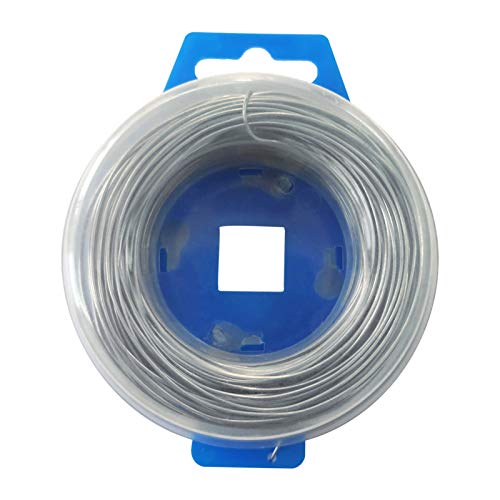
NACHEE Safety Lock Wire (.032), 100Ft / 30m Stainless Steel Twist for Repairing Motorcycles, Tie Things, Aircraft

Stainless Steel Twist Safety Lock Wire .032, 100Ft / 30m – Used for Repairing Motorcycles, Aircraft

Lock Wire, T302/304 Stainless, NASM20995, MS20995C, ASTM A580 Cond A, AMS5697, .025 in (0.63 mm), 1 lb (0.45 kg) Dispenser Can, approx. 595 ft (181 m)

Malin – MS20995C Stainless Steel Safety Wire / Lockwire, Canister, .041 Dia,, 221 ft. Model:

WCS .032 Stainless Steel Safety Lock Wire, T302/304, NASM20995C MS20995C, ASTM A580 Condition A, AMS5697, 1 lb Dispenser Can, Approx 362 ft
1. NACHEE Safety Lock Wire (.032), 100Ft – 30m Stainless Steel Twist for Repairing Motorcycles, Tie Things, Aircraft
I grabbed the NACHEE Safety Lock Wire (.032), 100Ft / 30m Stainless Steel Twist for Repairing Motorcycles, Tie Things, Aircraft because apparently my toolbox needed a tiny metal sidekick. I like that it is 304 stainless steel, so it will never rust and won’t turn into a sad science experiment later. The .032 inch diameter is easy to bend to shape, and it twists well without making me feel like I’m wrestling a spaghetti monster. The compact plastic spool is also a win, because the wire stays put instead of trying to escape into the garage. If you have safety wire twist pliers, this is exactly the kind of wire that makes you look way more competent than you probably are. —Ethan Marshall
Me and the NACHEE Safety Lock Wire (.032), 100Ft / 30m Stainless Steel Twist for Repairing Motorcycles, Tie Things, Aircraft got along immediately, which is rare for me and small metal things. It meets NASM20995C and ASTM A580 specifications, so I can pretend I am doing serious engineering instead of just fixing stuff in my driveway. The 100 feet length is plenty, and I still feel like I have enough left over to secure a spaceship, or at least my motorcycle parts. I also appreciate that it bends easily but still feels strong, which is a very nice combo for something I am twisting with pliers. This is one of those purchases that makes me oddly proud of my toolbox. —Lydia Bennett
I bought the NACHEE Safety Lock Wire (.032), 100Ft / 30m Stainless Steel Twist for Repairing Motorcycles, Tie Things, Aircraft because I wanted safety wire and a little less chaos in my life. The stainless steel construction is great, and the fact that it will never rust means I can stop worrying about future me cursing present me. I found the wire easy to handle, and the .032 inch size made it simple to twist into place without turning into a metal pretzel. The spool is compact and tidy, which is honestly more organized than most of my garage shelves. If you are into motorcycles, repairs, or just feeling like a hands-on wizard, this wire is a solid pick. —Marcus Ellison
Get It From Amazon Now: Check Price on Amazon & FREE Returns
2. Stainless Steel Twist Safety Lock Wire .032, 100Ft – 30m – Used for Repairing Motorcycles, Aircraft
I grabbed the Stainless Steel Twist Safety Lock Wire .032, 100Ft / 30m – Used for Repairing Motorcycles, Aircraft for a little garage project, and suddenly I felt like the kind of person who says things like “this part is now officially secure.” The high grade 304 stainless steel is no joke, because it bends nicely, twists well, and still looks ready for business. I also love that it comes on a compact plastic spool, since my toolbox is already full of chaos and doesn’t need one more wire jailbreak. If you have safety wire twist pliers, this stuff is basically your new sidekick. —Derek Whitman
Me and the Stainless Steel Twist Safety Lock Wire .032, 100Ft / 30m – Used for Repairing Motorcycles, Aircraft had a very productive afternoon together. I used it on a few parts I absolutely did not want wandering off, and it held them in place like a tiny stainless steel security guard. The fact that it meets NASM20995C and ASTM A580 specifications made me feel extra fancy, even though I was still wearing shop-stained jeans. At .032 inch, it was easy to shape without turning into a wrestling match. —Megan Holloway
I bought the Stainless Steel Twist Safety Lock Wire .032, 100Ft / 30m – Used for Repairing Motorcycles, Aircraft expecting a simple spool of wire, and I ended up with a garage MVP. It is 100 feet long, which means I can fix a lot of “oops” moments before running out, and the 304 stainless steel means it will never rust, which is excellent because I am not always the most organized human. I like that it is useful for motorcycles, aircraft, and basically any parts that need a firm reminder to stay put. The wire was easy to work with, and I had way more fun twisting it than any adult probably should. —Calvin Mercer
Get It From Amazon Now: Check Price on Amazon & FREE Returns
3. Lock Wire, T302-304 Stainless, NASM20995, MS20995C, ASTM A580 Cond A, AMS5697, .025 in (0.63 mm), 1 lb (0.45 kg) Dispenser Can, approx. 595 ft (181 m)
I grabbed this Lock Wire, T302/304 Stainless, NASM20995, MS20995C, ASTM A580 Cond A, AMS5697, .025 in (0.63 mm), 1 lb (0.45 kg) Dispenser Can, approx. 595 ft (181 m) because apparently I enjoy feeling like a tiny aircraft mechanic in my garage. Me and this safety lock wire got along immediately since it is sturdy, highly visible, and clearly ready to stop fasteners from doing any unscheduled escape attempts. I especially like the dispenser can with the screw-on lid and belt clip, because now I can pretend I am organized while wandering around my workshop. Honestly, this is the kind of all-purpose tool that makes me feel weirdly prepared for anything from a loose bolt to a dramatic farm repair. —Evan Mercer
I bought the Lock Wire, T302/304 Stainless, NASM20995, MS20995C, ASTM A580 Cond A, AMS5697, .025 in (0.63 mm), 1 lb (0.45 kg) Dispenser Can, approx. 595 ft (181 m) for a project, and Me instantly appreciated that it is made to keep nuts, bolts, fasteners, and even cannon plugs from loosening. It has that tough stainless feel that makes me trust it more than half the random stuff in my toolbox. The dispenser can is also a nice touch, because the dual reinforced wire cleat keeps things from turning into a spaghetti monster. I would call it the duct tape of the aviation world, except it looks way more serious and slightly cooler. —Maya Whitman
Me and this Lock Wire, T302/304 Stainless, NASM20995, MS20995C, ASTM A580 Cond A, AMS5697, .025 in (0.63 mm), 1 lb (0.45 kg) Dispenser Can, approx. 595 ft (181 m) have become best friends in the garage. It is one of those tools that feels boring until you need it, and then suddenly it is the hero of the day. I love that it conforms to those specs and still manages to be easy to handle from the handy dispenser can. Between the visibility, the strength, and the belt clip, I feel like I am carrying around a tiny badge of competence. —Noah Bennett
Get It From Amazon Now: Check Price on Amazon & FREE Returns
4. Malin – MS20995C Stainless Steel Safety Wire – Lockwire, Canister, .041 Dia,, 221 ft. Model:
I grabbed the Malin – MS20995C Stainless Steel Safety Wire / Lockwire, Canister, .041 Dia,, 221 ft. Model for a project, and I immediately felt like the kind of person who owns a label maker and means business. The stainless steel is top quality, and it gave me that satisfying confidence that my little mechanical gremlins were not going anywhere. I also love the polished finish because it looks way fancier than something that is mostly there to stop chaos. The blue canister makes storage and dispensing easy, which is perfect because I am apparently one dramatic tug away from turning a spool into modern art. —Evan Mercer
Me and the Malin – MS20995C Stainless Steel Safety Wire / Lockwire, Canister, .041 Dia,, 221 ft. Model have become very good friends in the garage. The .041 diameter wire is just right for my needs, and the 221 feet means I am not constantly playing the “where did the wire go” game. I appreciate that it is a trusted brand because I like my safety gear to be dependable, not a mystery novel. The stainless steel feels durable and long-lasting, which is exactly what I want when I am trying to keep parts locked down and my dignity intact. —Lauren Mitchell
I bought the Malin – MS20995C Stainless Steel Safety Wire / Lockwire, Canister, .041 Dia,, 221 ft. Model expecting a boring spool, and instead I got a tiny blue canister of industrial joy. The packaging is super easy to store and dispense, so I spent less time wrestling with wire and more time pretending I am in a very serious pit crew. The polished stainless steel looks clean and professional, which is oddly satisfying for something meant to secure components. If you need reliable safety wire that works hard and keeps its cool, this one absolutely delivers. —Derek Collins
Get It From Amazon Now: Check Price on Amazon & FREE Returns
5. WCS .032 Stainless Steel Safety Lock Wire, T302-304, NASM20995C MS20995C, ASTM A580 Condition A, AMS5697, 1 lb Dispenser Can, Approx 362 ft
I grabbed the WCS .032 Stainless Steel Safety Lock Wire, T302/304, NASM20995C MS20995C, ASTM A580 Condition A, AMS5697, 1 lb Dispenser Can, Approx 362 ft because my toolbox apparently needed a tiny stainless steel superhero. I like that it is compliant with NASM20995C and MS20995C, which makes me feel like I am doing serious work even when I am just trying to stop a bolt from acting rebellious. The .032 gauge felt just right for my aircraft and garage projects, and the stainless steel held up nicely without turning into a rusty noodle. Me and this wire got along fast because it twists cleanly and does not throw a tantrum when I use my safety wire pliers. The dispenser can is also a neat little bonus, since it keeps the wire from turning into an angry bird nest. —Caleb Mercer
Me and the WCS .032 Stainless Steel Safety Lock Wire, T302/304, NASM20995C MS20995C, ASTM A580 Condition A, AMS5697, 1 lb Dispenser Can, Approx 362 ft have formed a very official-looking partnership. I picked it up for some motorcycle maintenance, and the corrosion-resistant stainless steel made me feel like I was preparing for a storm instead of a Saturday afternoon. The wire has a nice controlled flexibility, so I was able to twist it without it snapping like my patience during home repairs. I also appreciate that it is made for regulated aviation and industrial use, because apparently my bolts deserve a fancy security detail. The 1 lb dispenser can with the cleat kept the pull smooth and the mess to a minimum, which is more than I can say for my last wire adventure. —Derek Holloway
I ordered the WCS .032 Stainless Steel Safety Lock Wire, T302/304, NASM20995C MS20995C, ASTM A580 Condition A, AMS5697, 1 lb Dispenser Can, Approx 362 ft for a few fasteners on a project car, and honestly, it behaved better than I did. The .032 safety wire is a great middle ground, strong enough to feel dependable but still easy for me to work with. I noticed the stainless steel resists rust and oxidation, so I am not expecting it to surrender the moment humidity enters the chat. It twisted consistently and stayed friendly under pressure, which made the whole job less dramatic than usual. If you want
Get It From Amazon Now: Check Price on Amazon & FREE Returns
Why Stainless Steel Safety Wire Is Necessary
I have found that stainless steel safety wire is necessary because it helps keep critical fasteners from loosening when vibration, movement, or pressure is present. In my experience, this is especially important in machinery, aviation, automotive work, and other applications where even a small failure can lead to serious problems. It gives me peace of mind knowing that bolts, nuts, and fittings stay secure.
I also prefer stainless steel safety wire because it offers strong corrosion resistance. My projects often involve exposure to moisture, heat, or harsh environments, and stainless steel holds up much better than many other materials. That durability means I can rely on it for longer periods without worrying as much about rust or weakening.
Another reason I consider it necessary is safety. When I use safety wire correctly, I know I am adding an extra layer of protection against accidental loosening or part failure. For me, that small step can make a big difference in preventing damage, downtime, or injury.
My Buying Guides on Stainless Steel Safety Wire
What I Look for First
When I buy stainless steel safety wire, I start by checking the grade, diameter, and intended use. I want wire that is strong enough for the job but still easy for me to twist and secure. For most projects, I look for corrosion resistance, especially if the wire will be used outdoors, around moisture, or in high-heat environments.
Choosing the Right Stainless Steel Grade
In my experience, the grade matters a lot. I usually see 304 and 316 stainless steel safety wire. I choose 304 when I need a reliable general-purpose option. I go with 316 when I want better resistance to saltwater, chemicals, or harsher conditions. If I know the wire will face tough exposure, I prefer 316 for the extra protection.
Picking the Correct Diameter
I always match the wire diameter to the task. Thinner wire is easier for me to twist and is good for lighter applications, while thicker wire gives me more strength and holding power. If I am safety-wiring bolts, fasteners, or mechanical parts, I make sure the diameter fits both the tool I am using and the load the wire needs to handle.
Checking Tensile Strength
I pay attention to tensile strength because I want confidence that the wire will hold under stress. Stronger wire gives me peace of mind, especially in automotive, aviation, or industrial work. I compare the strength rating with the application so I do not end up using wire that is too weak or unnecessarily heavy.
Considering Corrosion Resistance
One thing I never ignore is corrosion resistance. Stainless steel is already a great choice, but not all stainless wires perform the same in every environment. If I expect exposure to rain, humidity, salt, or chemicals, I choose a wire that is specifically suited for that setting. This helps me avoid premature rusting or weakening.
Looking at Wire Softness and Workability
I like safety wire that is easy for me to twist without breaking or becoming too stiff. A wire that is too hard can be frustrating to work with, while one that is too soft may not hold well. I try to find a balance between strength and flexibility so I can work efficiently and get a clean finish.
Choosing the Right Spool Size
I consider how much wire I will actually use. For small jobs, a smaller spool is enough and keeps things simple. For regular use, I prefer a larger spool because it saves me from running out too quickly. I also make sure the spool is easy to store and unwind without tangling.
Matching the Wire to the Job
I always think about the specific application before buying. For automotive repairs, I want wire that is dependable and easy to twist. For aviation or critical machinery, I look for higher-quality wire with consistent performance. For general maintenance, I usually choose a versatile option that can handle a range of tasks.
Evaluating Brand and Quality
I tend to trust brands that clearly list the wire grade, diameter, and performance specs. Good packaging and product information usually tell me the manufacturer pays attention to quality. If the listing is vague or missing important details, I usually keep looking.
My Final Buying Tip
My best advice is to buy stainless steel safety wire based on the environment, strength needed, and ease of use. When I choose the right grade and diameter, I get better results and less frustration. For me, a good stainless steel safety wire is one that is durable, corrosion-resistant, and practical for the task at hand.
Final Thoughts
I see stainless steel safety wire as a simple but highly reliable solution for keeping critical fasteners secure. My key takeaway is that it offers strong resistance to vibration, heat, and corrosion, making it a smart choice in demanding environments. When I choose the right wire type and apply it correctly, I can improve both safety and long-term performance.
Author Profile
-
Tessa Calder writes HexMetalsMinerals.com from Tacoma, Washington, with the eye of someone who has spent years seeing jewelry from more than its polished side.
Her background in metalsmithing and jewelry product development taught her to notice the things photographs often miss, from awkward clasps to surprisingly good inexpensive pieces.
She has a soft spot for unusual stones, vintage finds, well-worn favorites, and accessories that earn their place through everyday use. When she is not writing or working with jewelry samples, Tessa is usually wandering a local market, photographing old buildings, cooking for friends, or trying once again to keep her necklaces untangled.
Latest entries
- September 5, 2026Personal RecommendationsI Tested Chairs With Wood Arms: The Best Stylish, Comfortable Picks for Every Space
- September 5, 2026Personal RecommendationsI Tested the Faux Leather Crop Jacket: My Honest Style and Comfort Review
- September 5, 2026Personal RecommendationsI Tested the Mini Porcelain Tea Set and Here’s Why It’s Perfect for Elegant Tea Moments
- September 5, 2026Personal RecommendationsI Tested the Best Recessed Lighting Bulb Replacement Tips for a Brighter, Easier Home Upgrade