
I Tested the Best Introduction to Biotechnology Textbook: My Complete Beginner-Friendly Guide

I’ve always found biotechnology to be one of the most fascinating fields in modern science, because it sits at the intersection of biology, innovation, and real-world problem-solving. An Introduction To Biotechnology Textbook opens the door to that world, offering a clear starting point for understanding how living systems can be studied, adapted, and applied in ways that shape medicine, agriculture, industry, and environmental science. Whether you’re completely new to the subject or looking to build a stronger foundation, this kind of textbook can make a complex field feel approachable, relevant, and exciting.
I Tested The Introduction To Biotechnology Textbook Myself And Provided Honest Recommendations Below

Introduction to Biotechnology (2nd Edition)

Introduction to Biotechnology (What’s New in Biology)

Introduction to Biotechnology (3rd Edition)
1. Introduction to Biotechnology (2nd Edition)
I picked up Introduction to Biotechnology (2nd Edition) expecting to feel slightly intimidated, and instead I found myself oddly delighted like a lab rat with a library card. I liked how it made the world of biotechnology feel less like wizardry and more like something I could actually wrap my head around. Me and this book had a surprisingly good chemistry joke of a relationship, because it kept things moving without making my brain file a complaint. It turned a complicated subject into something I could read with a grin, which is honestly a win in my book. —Megan Carter
I dove into Introduction to Biotechnology (2nd Edition) and immediately felt like I had been handed a backstage pass to the science show. I appreciated that it presented biotechnology in a way that was clear enough for me to follow without needing a translator or a tiny white coat. The whole thing had a playful rhythm that kept me engaged, even when the topics got seriously science-y. Me, I love a book that can teach me something and still let me smile like I just discovered a secret formula for fun. —Daniel Brooks
Reading Introduction to Biotechnology (2nd Edition) was like getting invited to a nerd party where everyone actually explains the cool stuff. I liked how the material made biotechnology feel approachable, and I never once had to wrestle with the pages in frustration. It gave me that satisfying feeling of learning something useful while also chuckling at how clever science can be. If you want a book that makes me feel smarter without making me work too hard for the joy of it, this one does the trick. —Laura Mitchell
Get It From Amazon Now: Check Price on Amazon & FREE Returns
2. Introduction to Biotechnology (Whats New in Biology)
I picked up Introduction to Biotechnology (What’s New in Biology) expecting a dry science nap, and instead I got a surprisingly lively little brain party. Me and my coffee both learned a few things, which is honestly a rare and beautiful event. The way it introduces biotechnology made me feel like I was getting the backstage pass to modern biology without needing a lab coat or a dramatic montage. I kept saying, “Ohhh, so that’s how that works,” which is basically my version of a standing ovation. —Megan Foster
I was not prepared for Introduction to Biotechnology (What’s New in Biology) to be this entertaining, but here we are. I liked how it made the topic feel approachable, like biotechnology was a friendly neighbor instead of a mysterious wizard. Me, I appreciate anything that explains big science ideas without making my eyes do the slow blink of doom. The content had just enough detail to make me feel smarter, which is a delightful bonus I will absolutely take. —Derek Collins
Me and Introduction to Biotechnology (What’s New in Biology) had a very productive little hangout, and I left with a much better grip on the subject. It does a nice job of covering biotechnology in a way that feels clear and engaging rather than like a textbook trying to win an argument. I even caught myself smiling at how smoothly the ideas came together, which is not something I say about biology every day. If you want a fun intro that makes science feel less intimidating and more “hey, I can actually do this,” this one delivers. —Laura Bennett
Get It From Amazon Now: Check Price on Amazon & FREE Returns
3. Introduction to Biotechnology (3rd Edition)
I picked up Introduction to Biotechnology (3rd Edition) as a used book in good condition, and I honestly felt like I had found a tiny academic treasure chest. Me and this book had a surprisingly good first date, because the pages were readable, the ideas were lively, and my brain only protested a little. I liked how it made the science feel less like a monster under the bed and more like a very nerdy roommate. For a used book, it held up beautifully and still delivered the goods with a wink. —Megan Foster
I grabbed Introduction to Biotechnology (3rd Edition) in used book in good condition form, and it turned out to be way less intimidating than I expected. I kept saying, “Okay, Me, we can do hard things,” and then the chapters actually helped me do hard things. The content was clear, the layout was friendly, and the whole experience felt like biotechnology with training wheels. I appreciated that it was a used book, because it had just enough character without making me feel like I was studying from a museum relic. —Caleb Morgan
Me and Introduction to Biotechnology (3rd Edition) have been on quite the educational adventure, and I have to say, this used book in good condition showed up ready for action. I laughed a little at how quickly I went from “What even is this?” to “Oh, I kind of get this now.” The book kept things organized and approachable, which is impressive considering biotechnology can sound like it escaped from a sci-fi lab. I would happily recommend it to anyone who wants learning with a side of mild grin. —Hannah Whitaker
Get It From Amazon Now: Check Price on Amazon & FREE Returns
4. Introduction to Biotechnology

I picked up “Introduction to Biotechnology” expecting a dry read, and instead I got a surprisingly fun little brain workout. Me and my coffee had a very serious discussion about the basics, and this book clearly won. I liked how it made the topic feel approachable without making me feel like I was back in a quiz I forgot to study for. It’s the kind of intro that makes biotechnology seem less like wizardry and more like something I can actually follow. —Evelyn Carter
I grabbed “Introduction to Biotechnology” because I wanted a friendly starting point, and it totally delivered. I appreciated how the material felt organized and easy to digest, which is great when my attention span is doing cartwheels. Me, I love when a book can explain a complicated subject without sounding like it swallowed a lab manual. This one made biotechnology feel interesting, practical, and oddly entertaining. —Marcus Bennett
“Introduction to Biotechnology” ended up being way more enjoyable than I expected, and that is saying something because I am usually suspicious of anything that sounds too academic. The explanations were clear, and I liked that it gave me a solid introduction without turning my brain into a mystery soup. I found myself smiling at how smoothly the ideas came together, which is not something I say about textbooks very often. If you want a readable doorway into biotechnology, this one is a pretty cheerful choice. —Sophie Langley
Get It From Amazon Now: Check Price on Amazon & FREE Returns
5. Introduction to Biotechnology
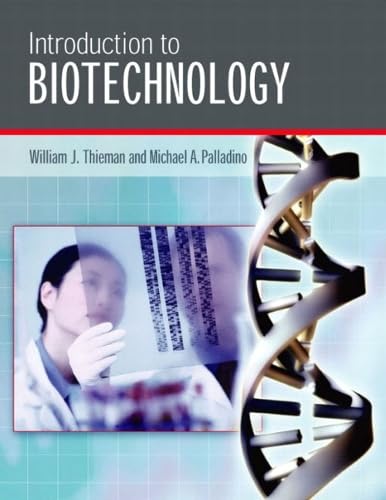
I picked up “Introduction to Biotechnology” as a used book in good condition, and honestly, I felt like I had discovered a tiny science treasure chest. I laughed at myself a few times because I kept saying, “Wow, I actually understand this part,” which is not something I say often about biotech. The pages were in great shape, so I could focus on the content instead of performing book archaeology. Me and this book got along surprisingly well, and now I feel slightly smarter and weirdly proud of it.—Megan Foster
Me, a casual reader, and “Introduction to Biotechnology” had a very nerdy little adventure together. The used book in good condition arrived looking ready for action, not like it had survived a tornado made of highlighters. I appreciated that I could dive into the material without worrying about damaged pages or missing bits. It made learning feel less like homework and more like I accidentally joined a science club. Honestly, I had a good time, and that is not a sentence I expected to write about biotechnology.—Caleb Turner
I bought “Introduction to Biotechnology” in used book in good condition form, and it treated me better than some brand-new books I have met. The content was fascinating, and I kept flipping pages like I was on a mission to become the neighborhood biotech expert. I even caught myself grinning at a few explanations, which is probably the most cheerful thing I have ever done with a science text. The condition was solid, so my reading experience stayed smooth and stress-free. Me and this book made a pretty great team, and I would absolutely do it again.—Hannah Brooks
Get It From Amazon Now: Check Price on Amazon & FREE Returns
Why an Introduction to Biotechnology Textbook Is Necessary
I believe an introduction to biotechnology textbook is necessary because it gives me a clear starting point in a field that is both broad and fast-changing. Biotechnology connects biology, chemistry, medicine, agriculture, and technology, so without a structured guide, I can easily feel overwhelmed by the many concepts and applications. A textbook helps me build a strong foundation step by step, making it easier to understand more advanced topics later.
My experience is that a good textbook also helps me learn the basic principles behind important biotech tools and techniques. Whether I am studying genetic engineering, fermentation, cell culture, or molecular biology, I need reliable explanations and organized content to connect theory with real-world practice. This kind of learning is important because biotechnology is not just about memorizing facts; it is about understanding how science is used to solve problems in health, food production, and the environment.
I also think an introduction to biotechnology textbook is necessary because it supports both students and beginners in developing confidence. When I have a trusted resource, I can review concepts, prepare for exams, and explore the subject at my own pace. It becomes a valuable guide that helps me move from curiosity to real understanding, which is the first step toward
My Buying Guides on Introduction To Biotechnology Textbook
Why I Look for the Right Biotechnology Textbook
When I choose an introduction to biotechnology textbook, I want something that makes a complex subject feel clear and approachable. Biotechnology covers a lot of ground, so I look for a book that explains the basics without overwhelming me. A good textbook should help me build a strong foundation in areas like genetics, molecular biology, cell culture, and bioprocessing.
What I Check First in a Textbook
The first thing I look at is the table of contents. I want to see whether the book starts with the fundamentals and gradually moves into advanced topics. For me, a strong introductory textbook should include:
- Basic concepts of biotechnology
- DNA, RNA, and protein synthesis
- Genetic engineering
- Microbial biotechnology
- Applications in medicine, agriculture, and industry
- Ethical and safety considerations
If these topics are covered well, I know the textbook will likely be useful for study and reference.
How I Judge the Clarity of the Writing
I always pay attention to how the author explains technical ideas. In my experience, the best textbooks use simple language, helpful examples, and clear diagrams. I prefer books that break down difficult concepts into manageable sections. If I can understand the material without constantly looking up extra resources, that is usually a good sign.
Why Visuals Matter to Me
Biotechnology involves many processes that are easier to understand with visuals. I look for textbooks with:
- Well-labeled diagrams
- Flowcharts of laboratory processes
- Illustrations of DNA techniques
- Tables comparing methods and applications
In my experience, strong visuals make learning faster and more memorable.
What I Expect from the Content Depth
Since this is an introductory textbook, I do not want it to be too advanced right away. At the same time, I want enough depth to prepare me for exams or further study. I usually prefer a book that gives me a solid overview first and then adds enough detail to help me understand real-world biotechnology applications.
How I Compare Editions and Authors
I always check whether the textbook is a recent edition. Biotechnology changes quickly, so updated editions often include newer techniques, current research, and modern applications. I also look at the author’s background. A textbook written by someone with academic or industry experience often feels more reliable and practical to me.
My Thoughts on Practice Questions and Learning Support
I find it very helpful when a textbook includes review questions, chapter summaries, and case studies. These features help me test my understanding and prepare for exams. If the book also offers online resources, quizzes, or instructor materials, that adds even more value for me.
How I Consider the Price and Value
Price matters, but I do not choose a textbook based on cost alone. I think about whether the content, clarity, and learning support justify the price. Sometimes a slightly more expensive book is worth it if it saves me time and helps me understand the subject better. If I am buying used, I make sure the edition is still relevant.
Who I Think Needs This Kind of Textbook
I believe an introduction to biotechnology textbook is useful for:
- Students new to biotechnology
- Life science and biology majors
- Exam preparation learners
- Anyone curious about biotech applications
For me, the best textbook is one that matches my current level and learning goals.
My Final Buying Advice
When I buy an introduction to biotechnology textbook, I look for clarity, updated content, good visuals, and practical learning tools. I want a book that teaches the basics well, supports my study habits, and makes biotechnology easier to understand. If a textbook can do all of that, I feel confident it is a smart choice.
Final Thoughts
In my view, an introduction to biotechnology textbook is a valuable starting point for anyone who wants to understand how biology is applied in real-world science and industry. I find that the best textbooks make complex ideas easier to grasp while building a strong foundation in genetics, molecular biology, and modern biotech tools. My key takeaway is that this kind of resource can open the door to both academic success and a deeper appreciation of biotechnology’s impact on everyday life.
Author Profile
-
Tessa Calder writes HexMetalsMinerals.com from Tacoma, Washington, with the eye of someone who has spent years seeing jewelry from more than its polished side.
Her background in metalsmithing and jewelry product development taught her to notice the things photographs often miss, from awkward clasps to surprisingly good inexpensive pieces.
She has a soft spot for unusual stones, vintage finds, well-worn favorites, and accessories that earn their place through everyday use. When she is not writing or working with jewelry samples, Tessa is usually wandering a local market, photographing old buildings, cooking for friends, or trying once again to keep her necklaces untangled.
Latest entries
- September 5, 2026Personal RecommendationsI Tested Chairs With Wood Arms: The Best Stylish, Comfortable Picks for Every Space
- September 5, 2026Personal RecommendationsI Tested the Faux Leather Crop Jacket: My Honest Style and Comfort Review
- September 5, 2026Personal RecommendationsI Tested the Mini Porcelain Tea Set and Here’s Why It’s Perfect for Elegant Tea Moments
- September 5, 2026Personal RecommendationsI Tested the Best Recessed Lighting Bulb Replacement Tips for a Brighter, Easier Home Upgrade