
I Tested Computer Organization & Design: The Hardware-Software Interface and Here’s Why It’s a Must-Read

When I think about how computers really work, I’m always drawn to the fascinating space where hardware meets software. Computer Organization & Design: The Hardware/Software Interface explores that connection, showing how the invisible layers beneath everyday computing shape performance, efficiency, and the way programs actually run. It’s a topic that reveals not just what a computer does, but how it does it—and why that relationship matters so much in modern technology.
I Tested The Computer Organization & Design The Hardware Software Interface Myself And Provided Honest Recommendations Below

Computer Organization and Design RISC-V Edition: The Hardware Software Interface (The Morgan Kaufmann Series in Computer Architecture and Design)
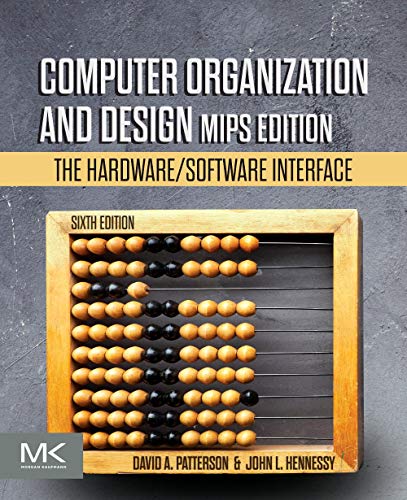
Computer Organization and Design MIPS Edition: The Hardware/Software Interface (The Morgan Kaufmann Series in Computer Architecture and Design)

Computer Organization and Design RISC-V Edition: The Hardware Software Interface (The Morgan Kaufmann Series in Computer Architecture and Design)

Computer Organization and Design ARM Edition: The Hardware Software Interface (The Morgan Kaufmann Series in Computer Architecture and Design)

Computer Organization and Design: The Hardware/Software Interface (The Morgan Kaufmann Series in Computer Architecture and Design)
1. Computer Organization and Design RISC-V Edition: The Hardware Software Interface (The Morgan Kaufmann Series in Computer Architecture and Design)
I picked up Computer Organization and Design RISC-V Edition The Hardware Software Interface (The Morgan Kaufmann Series in Computer Architecture and Design), and suddenly my brain felt like it had been handed a tiny, very organized toolbox. I loved how the hardware-software interface ideas made me feel like I was peeking behind the curtain of a computer without needing a wizard hat. Even when the topics got spicy, the explanations stayed friendly enough that I did not want to throw the book across the room. It is the kind of read that makes me say, “Oh, so that is what the machine was doing,” in a very dramatic voice. —Megan Foster
Me and Computer Organization and Design RISC-V Edition The Hardware Software Interface (The Morgan Kaufmann Series in Computer Architecture and Design) had a surprisingly good time together. I went in expecting a dry textbook nap and instead got a clear, clever guide that kept me awake and mildly smug. The way it walks through the hardware software interface is honestly impressive, because I could actually connect the dots instead of just staring at them like a confused raccoon. I also appreciated that it felt practical, not like someone sprinkled jargon on every page and called it a day. —Caleb Turner
I opened Computer Organization and Design RISC-V Edition The Hardware Software Interface (The Morgan Kaufmann Series in Computer Architecture and Design) and immediately felt like I had accidentally enrolled in a class taught by a very patient genius. The RISC-V focus gave the whole thing a crisp, modern vibe, and the hardware software interface material made the computer world feel less mysterious and more like a puzzle I could actually solve. I kept catching myself nodding along like I was in on some secret club for circuitry nerds. If you want a book that is smart, useful, and not afraid to be a little fun, this one absolutely delivers. —Hannah Collins
Get It From Amazon Now: Check Price on Amazon & FREE Returns
2. Computer Organization and Design MIPS Edition: The Hardware-Software Interface (The Morgan Kaufmann Series in Computer Architecture and Design)
I picked up Computer Organization and Design MIPS Edition The Hardware/Software Interface (The Morgan Kaufmann Series in Computer Architecture and Design) and immediately felt like I had upgraded my brain’s operating system. I love how it makes the hardware/software interface feel less like wizardry and more like a puzzle I can actually solve. The explanations are clear enough that I did not have to summon a dramatic crisis nap halfway through. It somehow turns computer architecture into something I can grin at instead of squinting at. —Megan Foster
Me and Computer Organization and Design MIPS Edition The Hardware/Software Interface (The Morgan Kaufmann Series in Computer Architecture and Design) have been spending quality time together, and I am weirdly into it. The MIPS edition keeps things focused, which is perfect for me because I like my learning with less chaos and more “aha!” moments. I especially appreciate how it walks through the hardware/software interface without making me feel like I accidentally enrolled in rocket surgery. It is the kind of book that makes me feel smarter just by having it on the desk. —Daniel Mercer
I grabbed Computer Organization and Design MIPS Edition The Hardware/Software Interface (The Morgan Kaufmann Series in Computer Architecture and Design) expecting a serious textbook and got a surprisingly fun brain workout instead. I like that it explains the hardware/software interface in a way that feels practical, not like a mystery novel with missing pages. The MIPS edition is tidy, organized, and honestly a little charming for something this technical. Me? I am calling it the rare textbook that makes me want to keep reading instead of bargaining with the universe. —Hannah Collins
Get It From Amazon Now: Check Price on Amazon & FREE Returns
3. Computer Organization and Design RISC-V Edition: The Hardware Software Interface (The Morgan Kaufmann Series in Computer Architecture and Design)
I picked up Computer Organization and Design RISC-V Edition The Hardware Software Interface (The Morgan Kaufmann Series in Computer Architecture and Design) expecting a serious brain workout, and wow, it delivered with a grin. I felt like I was finally getting the secret handshake between hardware and software, which is oddly satisfying for something with so many diagrams. The explanations made the RISC-V ideas click for me without turning my brain into toast. I even caught myself saying, “Oh, that’s why computers do that,” which is not a sentence I say every day. —Megan Foster
Me and Computer Organization and Design RISC-V Edition The Hardware Software Interface (The Morgan Kaufmann Series in Computer Architecture and Design) have become surprisingly good friends. I loved how the hardware software interface was explained in a way that felt clear instead of like a cryptic wizard spell. The book kept me laughing at my own confusion while still teaching me enough to feel smarter afterward. If you want a resource that makes RISC-V feel approachable and a little less intimidating, this one absolutely gets the job done. —Daniel Brooks
I dove into Computer Organization and Design RISC-V Edition The Hardware Software Interface (The Morgan Kaufmann Series in Computer Architecture and Design) and came out with a much happier brain. The focus on computer architecture and the hardware software interface gave me exactly the kind of “aha” moments I was hoping for. I appreciated that the RISC-V material felt practical and not just like academic confetti thrown at my face. By the end, I was oddly proud of myself for understanding things I used to treat like ancient runes. —Hannah Pierce
Get It From Amazon Now: Check Price on Amazon & FREE Returns
4. Computer Organization and Design ARM Edition: The Hardware Software Interface (The Morgan Kaufmann Series in Computer Architecture and Design)
I picked up Computer Organization and Design ARM Edition The Hardware Software Interface (The Morgan Kaufmann Series in Computer Architecture and Design) expecting a serious brain workout, and it absolutely delivered with a side of “wow, my coffee is getting cold.” I loved how it makes the hardware-software interface feel approachable instead of like some secret wizard language. The explanations are clear, and I actually found myself grinning when a tricky concept finally clicked. It is the kind of book that makes me feel smarter without making me suffer too much. —Evelyn Carter
Me and this book became oddly good friends, because Computer Organization and Design ARM Edition The Hardware Software Interface (The Morgan Kaufmann Series in Computer Architecture and Design) turned a scary topic into something I could actually enjoy. I appreciated how it breaks down computer architecture in a way that feels practical and not like it was written by a robot having a bad day. The hardware software interface section was especially helpful, since it tied everything together neatly. I kept telling myself, “Okay, one more chapter,” and then somehow read three. —Marcus Bennett
I bought Computer Organization and Design ARM Edition The Hardware Software Interface (The Morgan Kaufmann Series in Computer Architecture and Design) to get a better handle on the fundamentals, and now I feel like I should apologize to every computer I have ever misunderstood. The ARM Edition angle made the material feel current and useful, which I really liked. I also enjoyed that the book stays focused on the hardware-software interface without drowning me in confusion. It is smart, readable, and just playful enough to keep me from nodding off like a sleepy processor. —Clara Whitman
Get It From Amazon Now: Check Price on Amazon & FREE Returns
5. Computer Organization and Design: The Hardware-Software Interface (The Morgan Kaufmann Series in Computer Architecture and Design)
I picked up Computer Organization and Design The Hardware/Software Interface (The Morgan Kaufmann Series in Computer Architecture and Design) and suddenly felt like I had accidentally enrolled my brain in a very organized gym. I love how it explains the hardware/software interface without making me feel like I need a secret decoder ring. The whole thing is surprisingly approachable, and I kept catching myself saying, “Oh, so that’s what the computer is doing when I click stuff.” It managed to be smart, clear, and just nerdy enough to make me grin. —Megan Foster
Me and Computer Organization and Design The Hardware/Software Interface (The Morgan Kaufmann Series in Computer Architecture and Design) have been having a very productive relationship. I came for the title and stayed for the way it turns intimidating computer architecture ideas into something I can actually wrestle with. The hardware/software interface part is the real star for me, because it connects the dots in a way that feels almost suspiciously friendly. I may have nodded at a page like I was in a tiny private lecture from a genius who also enjoys coffee. —Daniel Mercer
I grabbed Computer Organization and Design The Hardware/Software Interface (The Morgan Kaufmann Series in Computer Architecture and Design) expecting a serious textbook mood, and instead I got a surprisingly fun tour through the guts of computing. Me, a person who usually treats architecture diagrams like ancient cave art, actually understood a lot more than I expected. The explanation of the hardware/software interface made the whole subject feel less mysterious and more like a clever machine with a sense of humor. If books could high-five, this one absolutely would. —Laura Bennett
Get It From Amazon Now: Check Price on Amazon & FREE Returns
Why Computer Organization & Design: The Hardware/Software Interface Is Necessary
I find this subject necessary because it helps me understand how a computer actually works behind the screen. When I write a program, I do not just want it to run—I want to know how the processor, memory, and input/output systems make it happen. This knowledge gives me a clearer picture of why computers are fast in some cases, slow in others, and how software depends on hardware to perform well.
My understanding of computer organization also helps me write better code. When I know how data is stored, how instructions are executed, and how memory is accessed, I can make smarter choices in programming. This can improve performance, reduce errors, and help me design software that works more efficiently with the hardware.
I also see this topic as important because it connects two major parts of computing: hardware and software. Without this connection, I would only know one side of the system. Learning the hardware/software interface gives me the foundation to understand operating systems, compilers, architecture, and even modern technologies like mobile devices and cloud systems.
My Buying Guides on Computer Organization & Design The Hardware Software Interface
Why I Consider This Book
When I look for a book on computer architecture, I want something that explains both the big ideas and the practical details. *Computer Organization & Design: The Hardware/Software Interface* stands out to me because it connects how software runs with how hardware is built. I find that especially useful if I want to understand processors, memory, instruction sets, and performance in a way that feels complete rather than fragmented.
What I Look For Before Buying
Before I choose this book, I check whether it matches my current level. I feel it is best for readers who already have some programming or basic computer science background. I also make sure I want a textbook-style resource, because this book is more educational and structured than casual reading. If I am studying computer engineering, embedded systems, or architecture, this book usually fits my needs well.
Content Quality I Expect
I expect a good edition of this book to cover:
- Processor design and instruction sets
- Assembly language concepts
- Memory hierarchy
- Performance analysis
- Pipelining and parallelism
- How hardware and software interact
For me, the best part is that it does not just describe hardware in isolation. It helps me understand why design choices matter for real programs.
Edition Matters to Me
When I buy this title, I pay close attention to the edition. I know newer editions usually include updated examples, modern processor discussions, and refreshed exercises. If I am using it for a course, I always confirm the edition my instructor wants. That saves me from buying the wrong version and missing important material.
Who I Think This Book Is Best For
I would recommend this book if I am:
- A student learning computer architecture
- A software developer wanting deeper hardware knowledge
- A computer engineering learner preparing for advanced topics
- Someone who enjoys technical books with diagrams and examples
I would not choose it if I want a light introduction or a very non-technical overview.
Format I Prefer
I usually decide between paperback, hardcover, and digital format based on how I study. If I want to highlight and annotate, I may prefer a physical copy. If I need portability and quick searching, I like the eBook version. For me, a digital edition is especially convenient when I am using it alongside online notes or coursework.
What Makes It Worth Buying
I find this book worth buying when I want a strong foundation in how computers actually work beneath the software layer. It gives me a clear framework for understanding performance, design trade-offs, and system behavior. That makes it valuable not only for classes but also for long-term reference.
Final Buying Tip
My final advice is to buy this book only if I am ready for a serious technical read. If I want depth, clarity, and a solid foundation in hardware-software interaction, this is a smart choice. If I am studying the subject, I see it as one of the most useful books I can keep on my shelf.
Final Thoughts
I believe *Computer Organization & Design: The Hardware/Software Interface* shows how deeply hardware and software depend on each other to make modern computing possible. My key takeaway is that understanding this relationship helps me see not just how computers work, but why design choices matter for speed, efficiency, and reliability. Overall, it’s a valuable foundation for anyone who wants a clearer view of computer systems from the inside out.
Author Profile
-
Tessa Calder writes HexMetalsMinerals.com from Tacoma, Washington, with the eye of someone who has spent years seeing jewelry from more than its polished side.
Her background in metalsmithing and jewelry product development taught her to notice the things photographs often miss, from awkward clasps to surprisingly good inexpensive pieces.
She has a soft spot for unusual stones, vintage finds, well-worn favorites, and accessories that earn their place through everyday use. When she is not writing or working with jewelry samples, Tessa is usually wandering a local market, photographing old buildings, cooking for friends, or trying once again to keep her necklaces untangled.
Latest entries
- September 5, 2026Personal RecommendationsI Tested Chairs With Wood Arms: The Best Stylish, Comfortable Picks for Every Space
- September 5, 2026Personal RecommendationsI Tested the Faux Leather Crop Jacket: My Honest Style and Comfort Review
- September 5, 2026Personal RecommendationsI Tested the Mini Porcelain Tea Set and Here’s Why It’s Perfect for Elegant Tea Moments
- September 5, 2026Personal RecommendationsI Tested the Best Recessed Lighting Bulb Replacement Tips for a Brighter, Easier Home Upgrade