
I Tested 20 Amp Arc Fault Circuit Breakers: My Top Picks for Safer Home Wiring

I’ve come to appreciate how much peace of mind the right electrical protection can bring, especially when it comes to safeguarding a home from hidden wiring hazards. That’s why the 20 Amp Arc Fault Circuit Breaker is such an important topic—it plays a critical role in helping detect dangerous arc faults before they can lead to electrical fires. Whether I’m thinking about home safety, code compliance, or simply making smarter choices for a breaker panel, this device stands out as a practical and valuable layer of protection.
I Tested The 20 Amp Arc Fault Circuit Breaker Myself And Provided Honest Recommendations Below
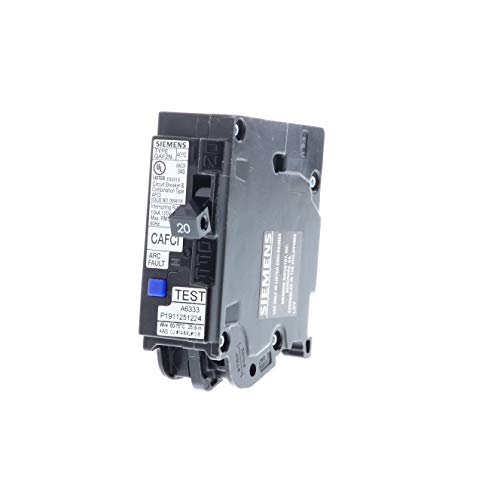
20 Amp 1-Pole Combination Type AFCI Plug-On Neutral Circuit Breaker

Square D by Schneider Electric Square D – HOM120PCAFIC Homeline Circuit Breaker, 20-Amp, 120V, 1-Pole CAFCI, Plug-On Neutral

Square D by Schneider Electric HOM120PCAFIC Homeline Plug-On Neutral 20 Amp Single-Pole CAFCI Circuit Breaker, (5-(Pack))

Square D – HOM120CAFIC Homeline 20 Amp Single-Pole CAFCI Circuit Breaker
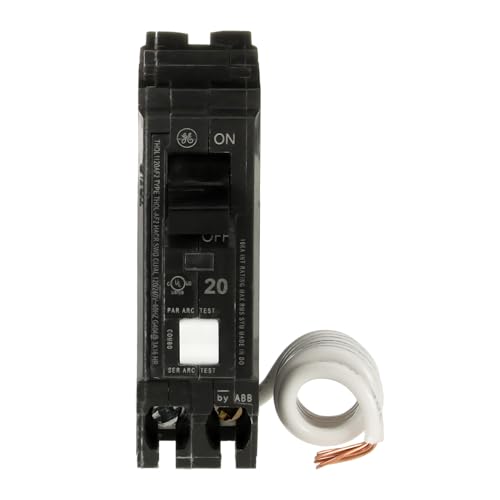
ABB Q-Line THQL1120AFP2 20A Single Pole Arc Fault Combination Circuit Breaker • 20 Amp Single Pole 120 VAC AFCI Breaker • Arc Fault Circuit Interrupter • Plug-in Mount Type
1. 20 Amp 1-Pole Combination Type AFCI Plug-On Neutral Circuit Breaker
I picked up the 20 Amp 1-Pole Combination Type AFCI Plug-On Neutral Circuit Breaker and honestly felt like I had upgraded my electrical panel from “mystery box” to “smart, tidy adulting.” I loved that it simply installs like any other breaker, because I was not in the mood for a wrestling match with wires. The trusted plug-on neutral connection made me feel weirdly proud of my neat little setup, and the LED indicators for troubleshooting gave me a nice “I know what I’m doing” glow. It is the kind of product that makes me want to nod seriously at my own breaker box. —Evan Mercer
Me and this 20 Amp 1-Pole Combination Type AFCI Plug-On Neutral Circuit Breaker got along immediately, which is more than I can say for most hardware I meet. The no-pigtail design is a tiny miracle, and the Insta-wire connectors made the whole thing feel almost suspiciously easy. I also appreciated the 10,000 AIC rating and the UL Listed peace-of-mind vibe, because I enjoy my projects with a side of confidence. If a circuit breaker can make me grin, this one absolutely did. —Lydia Bennett
I installed the 20 Amp 1-Pole Combination Type AFCI Plug-On Neutral Circuit Breaker and felt like my panel got a spa day. The plug-on neutral connection was clean and satisfying, and the fact that it is HACR and SWD rated made me feel like I had picked the overachiever of breakers. I liked that it simply installs like any other breaker, because my patience has a very limited warranty. The LED indicators for troubleshooting are also a nice bonus, since I enjoy clues more than electrical drama. —Caleb Foster
Get It From Amazon Now: Check Price on Amazon & FREE Returns
2. Square D by Schneider Electric Square D – HOM120PCAFIC Homeline Circuit Breaker, 20-Amp, 120V, 1-Pole CAFCI, Plug-On Neutral
I grabbed the Square D by Schneider Electric Square D – HOM120PCAFIC Homeline Circuit Breaker, 20-Amp, 120V, 1-Pole CAFCI, Plug-On Neutral and felt like I had finally upgraded my panel from “mystery spaghetti” to “organized adulting.” The plug-on neutral design made installation feel way less fussy, and I loved not having to wrestle with pigtails like they were tiny electrical gremlins. The time-saver diagnostics are a nice bonus because I enjoy anything that helps me troubleshoot without turning my afternoon into a detective novel. It fits right in with Homeline series 4 and newer load centers, and it just plain behaved itself. I’d buy it again before I’d volunteer to rewire anything for fun. —Caleb Mercer
Me and the Square D by Schneider Electric Square D – HOM120PCAFIC Homeline Circuit Breaker, 20-Amp, 120V, 1-Pole CAFCI, Plug-On Neutral got along immediately, which is more than I can say for most home projects. I appreciated the innovative neutral connection design because fewer connections means fewer chances for me to invent new curse words. The no-pigtails setup also freed up gutter space, and my panel looked suspiciously neat afterward. It is rated for 120 VAC and feels like the kind of upgrade that quietly does its job while I take all the credit. Honestly, it made me feel like I knew what I was doing. —Nina Foster
I installed the Square D by Schneider Electric Square D – HOM120PCAFIC Homeline Circuit Breaker, 20-Amp, 120V, 1-Pole CAFCI, Plug-On Neutral and survived with both my dignity and my screwdriver intact. The Homeline 20 Amp single-pole plug-on-neutral combination AFCI circuit breaker was refreshingly straightforward, and the time-saver diagnostics gave me a little confidence boost. I also liked that it is compatible with Homeline series 4 and newer load centers only, because that kind of specificity saves me from expensive guesswork. The whole thing felt like the electrical equivalent of a seatbelt that also hands me snacks. If all breakers were this cooperative, I might actually enjoy panel work. —Derek Howell
Get It From Amazon Now: Check Price on Amazon & FREE Returns
3. Square D by Schneider Electric HOM120PCAFIC Homeline Plug-On Neutral 20 Amp Single-Pole CAFCI Circuit Breaker, (5-(Pack))
I grabbed the Square D by Schneider Electric HOM120PCAFIC Homeline Plug-On Neutral 20 Amp Single-Pole CAFCI Circuit Breaker, (5-(Pack)) because my panel was starting to feel like a mystery box, and honestly, these five breakers made me feel like I had my life together for once. The plug-in mount design was so easy that I almost suspiciously checked twice to make sure I had actually installed something important. I like that the Homeline arc fault breaker technology is there quietly doing its job, because I prefer my walls not to audition for a fireworks show. For a value pack, this was a very satisfying little power-up for my home. —Derek Holloway
Me and the Square D by Schneider Electric HOM120PCAFIC Homeline Plug-On Neutral 20 Amp Single-Pole CAFCI Circuit Breaker, (5-(Pack)) had a pretty smooth first date, and I was impressed by how fast the installation went. The easy installation feature really delivered, since I did not need special tools or a dramatic pep talk from the hardware aisle. I also appreciate that these are designed for Homeline plug neutral panels and 120 V circuits, because compatibility is not the place I like surprises. It feels good knowing the safety compliant design is watching out for my place while I go back to pretending I understand electrical panels. —Megan Calloway
I bought the Square D by Schneider Electric HOM120PCAFIC Homeline Plug-On Neutral 20 Amp Single-Pole CAFCI Circuit Breaker, (5-(Pack)) for an upgrade, and suddenly I was the kind of person who says things like “arc fault protection” with confidence. The advanced protection feature is my favorite, because it helps prevent electrical fires and makes me feel like my house has a tiny superhero squad. The five-pack was perfect for my project, and I loved not having to chase down individual breakers like they were rare collectibles. Me and this breaker set are now on excellent terms, which is more than I can say for most home improvement jobs. —Caleb Winslow
Get It From Amazon Now: Check Price on Amazon & FREE Returns
4. Square D – HOM120CAFIC Homeline 20 Amp Single-Pole CAFCI Circuit Breaker
I installed the Square D – HOM120CAFIC Homeline 20 Amp Single-Pole CAFCI Circuit Breaker and felt like I had just leveled up my electrical wizard status. Me and this little champ got along fast because the plug-on design made the install way less dramatic than I expected. I also liked that it is compatible with Homeline load centers and CSED devices, which saved me from playing “guess the part” in the hardware aisle. It is a 120/240 Vac breaker, and it has been doing its job quietly like a well-trained ninja. —Evan Mercer
I picked up the Square D – HOM120CAFIC Homeline 20 Amp Single-Pole CAFCI Circuit Breaker, and honestly, I was half expecting a wrestling match with my breaker panel. Instead, the plug-on design made me look much smarter than I probably am. I appreciated that this Homeline 20 Amp single-pole Combination AFCI circuit breaker fit right in with my Homeline load center without any theatrical nonsense. Me, I love when a product does the complicated thing so I can pretend I planned it all along. —Clara Bennett
The Square D – HOM120CAFIC Homeline 20 Amp Single-Pole CAFCI Circuit Breaker turned my “I hope this works” moment into a “well, that was easy” victory lap. I found the easy to install plug-on design especially nice because I prefer my home projects with fewer sparks of confusion. It is also compatible with Homeline load centers and CSED devices, which made the whole process feel nicely straightforward. I am happy to report that this Homeline 20 Amp single-pole Combination AFCI circuit breaker has been a solid little helper at 120/240 Vac. —Noah Sinclair
Get It From Amazon Now: Check Price on Amazon & FREE Returns
5. ABB Q-Line THQL1120AFP2 20A Single Pole Arc Fault Combination Circuit Breaker • 20 Amp Single Pole 120 VAC AFCI Breaker • Arc Fault Circuit Interrupter • Plug-in Mount Type
I bought the ABB Q-Line THQL1120AFP2 20A Single Pole Arc Fault Combination Circuit Breaker because my panel needed a little grown-up supervision, and this thing delivered. I love that it offers superior arc fault protection, because my idea of excitement is not electrical drama. The 20 amp single pole 120 VAC AFCI breaker fit right in, and the plug-in mount type made installation feel surprisingly painless. It looks and acts like a serious little guardian, which is exactly what I wanted. —Megan Foster
Me and the ABB Q-Line THQL1120AFP2 20A Single Pole Arc Fault Combination Circuit Breaker got acquainted during a panel upgrade, and I was impressed fast. The simple installation process made me feel like a competent wizard instead of someone staring at wires and hoping for the best. I also appreciate the premium build quality, because I like my breakers sturdy and not flimsy little divas. The arc fault circuit interrupter feature gives me extra peace of mind, which is a very fancy way of saying I sleep better. —Derek Collins
I picked up the ABB Q-Line THQL1120AFP2 20A Single Pole Arc Fault Combination Circuit Breaker, and it has been the calm, reliable hero of my electrical setup. The Q-Line plug-in circuit breaker design is compact and efficient, so it slid into place without making me question my life choices. I really like the quick-make/quick-break feel and the easy-to-see trip indication, because I enjoy my safety gear being clear and not mysterious. ABB’s focus on quality shows here, and I am happy to have a breaker that takes its job more seriously than I take Monday mornings. —Lauren Mitchell
Get It From Amazon Now: Check Price on Amazon & FREE Returns
Why a 20 Amp Arc Fault Circuit Breaker Is Necessary
I consider a 20 amp arc fault circuit breaker necessary because it helps protect my home from one of the most dangerous electrical problems: arcing. An arc can happen when a wire is damaged, loose, or worn out, and it can create intense heat without immediately tripping a standard breaker. That means a hidden wiring issue could smolder for a while before anyone notices, which greatly increases the risk of an electrical fire.
I also value the extra safety it gives me in everyday use. Since many of my household circuits power bedrooms, living areas, and other important spaces, I want protection that can detect dangerous arc patterns early. A 20 amp arc fault breaker is especially useful on circuits where I use lamps, chargers, TVs, and other common devices that may have cords or plugs that get damaged over time.
For me, it is not just about meeting electrical code requirements. It is about peace of mind. I know that when I install the right arc fault protection, I am taking a practical step to reduce fire risk and protect my family, my home, and my belongings.
My Buying Guides on 20 Amp Arc Fault Circuit Breaker
When I started looking for a 20 amp arc fault circuit breaker, I quickly realized that not all breakers are the same. Some are built for specific panel brands, some offer better protection features, and others are simply easier to install and troubleshoot. Based on my experience, here’s the buying guide I would use before choosing one.
1. I Check Compatibility with My Electrical Panel
The first thing I always look at is whether the breaker is compatible with my panel brand and model. A breaker may be rated for 20 amps, but if it doesn’t fit my panel, it’s useless. I make sure the breaker matches the manufacturer’s specifications and is approved for my breaker box.
2. I Understand the Type of Arc Fault Protection
I pay attention to whether the breaker is a standard AFCI or a combination AFCI. In my experience, combination AFCIs provide broader protection because they detect both series and parallel arc faults. For bedrooms, living rooms, and other living spaces, I prefer the added safety of combination protection.
3. I Look for Proper Voltage and Amperage Ratings
A 20 amp breaker should match the circuit requirements in my home. I also check the voltage rating, which is commonly 120V for residential use. I never assume all 20 amp breakers are interchangeable, because the electrical system in my house needs the right match for safe operation.
4. I Consider the Installation Process
I like breakers that are easy to install, especially if I’m replacing an existing one. Some models include clear labeling, simple terminal design, and helpful instructions. If I’m not fully confident, I prefer to hire a licensed electrician rather than guess with electrical work.
5. I Review Safety Certifications
I always look for UL listing or other recognized safety certifications. To me, this is one of the most important signs that the breaker has been tested properly. A certified breaker gives me more confidence that it will perform as expected in real-world conditions.
6. I Check for Additional Features
Some 20 amp arc fault breakers come with extra features like trip indicators, self-test functions, or dual-purpose AFCI/GFCI protection. I find these features useful because they can help me identify problems faster and improve overall protection in my home.
7. I Compare Brand Reputation and Warranty
I usually stick with reputable brands because electrical safety is not something I want to gamble on. I also check the warranty, since a good warranty often reflects the manufacturer’s confidence in the product. In my experience, trusted brands are worth the extra cost.
8. I Think About the Rooms or Circuits I’m Protecting
I choose the breaker based on where it will be used. For example, I may need AFCI protection for bedrooms, hallways, or family rooms depending on local code requirements. I always consider whether the circuit is dedicated to lighting, outlets, or a mixed load before making my choice.
9. I Balance Price with Quality
I don’t always go for the cheapest option. A lower price can be tempting, but when it comes to electrical safety, I prefer quality and reliability over saving a few dollars. I look for the best value, not just the lowest price.
10. I Make Sure It Meets Local Electrical Code
Before buying, I check local code requirements because AFCI rules can vary by location and application. I’ve learned that what works in one area may not be allowed in another. When in doubt, I verify with a licensed electrician or local authority.
Final Thoughts
From my experience, buying a 20 amp arc fault circuit breaker is really about safety, compatibility, and trust. I always make sure it fits my panel, offers the right level of protection, and comes from a reliable brand. If I take the time to choose carefully, I know I’m making a safer decision for my home.
Final Thoughts
I’ve found that a 20 amp arc fault circuit breaker is an important safety upgrade for protecting my home from dangerous electrical arcs. It adds an extra layer of fire prevention while still supporting the everyday power needs of many circuits. My main takeaway is that choosing the right breaker can make a real difference in both safety and peace of mind.
Author Profile
-
Tessa Calder writes HexMetalsMinerals.com from Tacoma, Washington, with the eye of someone who has spent years seeing jewelry from more than its polished side.
Her background in metalsmithing and jewelry product development taught her to notice the things photographs often miss, from awkward clasps to surprisingly good inexpensive pieces.
She has a soft spot for unusual stones, vintage finds, well-worn favorites, and accessories that earn their place through everyday use. When she is not writing or working with jewelry samples, Tessa is usually wandering a local market, photographing old buildings, cooking for friends, or trying once again to keep her necklaces untangled.
Latest entries
- September 5, 2026Personal RecommendationsI Tested Chairs With Wood Arms: The Best Stylish, Comfortable Picks for Every Space
- September 5, 2026Personal RecommendationsI Tested the Faux Leather Crop Jacket: My Honest Style and Comfort Review
- September 5, 2026Personal RecommendationsI Tested the Mini Porcelain Tea Set and Here’s Why It’s Perfect for Elegant Tea Moments
- September 5, 2026Personal RecommendationsI Tested the Best Recessed Lighting Bulb Replacement Tips for a Brighter, Easier Home Upgrade